
Hylocomium splendens
Hylocomium splendens
Description
Growing requirements
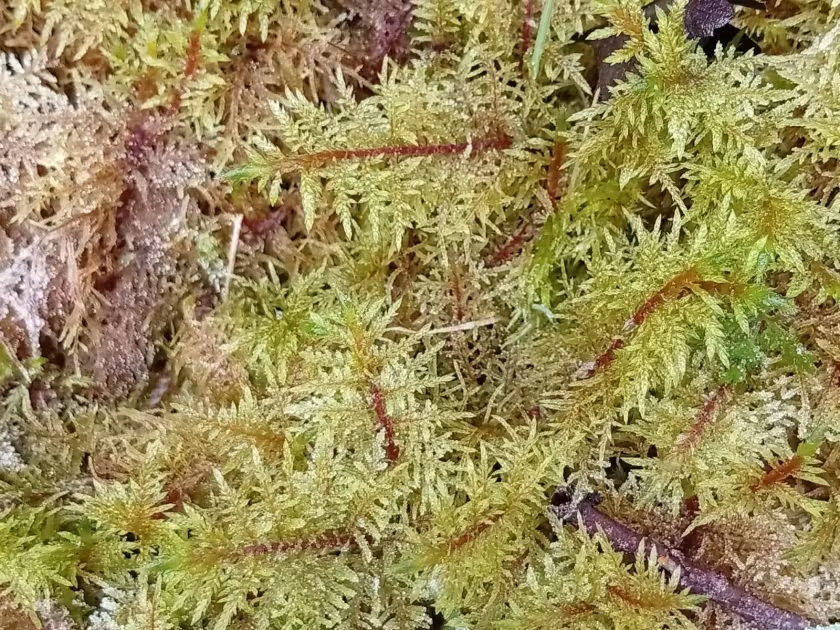
Hylocomium splendens, commonly known as stair-step moss, is a perennial moss belonging to the Hylocomiaceae family. It is easily identified by its unique architecture, where each annual growth layer emerges from the middle of the previous year's growth.
This culture thrives in humid, shaded environments, typically found on the forest floor in coniferous and mixed forest regions. It relies on a consistent supply of atmospheric moisture rather than deep rooting systems.
The habitat requirements include acidic, organic-rich soil and stable temperatures. It is highly sensitive to desiccation, meaning that direct sunlight or dry winds can lead to rapid browning and irreversible tissue damage.
In terms of agricultural or nursery management, high humidity levels must be maintained. Irrigation methods like misting or automated fogging systems are essential to simulate its natural cool and wet forest conditions.
The plant demonstrates high efficiency in nutrient absorption directly from precipitation. This biological feature makes it a critical component of the forest floor, acting as a natural sponge that regulates water cycles.
Yield
The productivity of Hylocomium splendens is measured by the density and surface area of its moss mats. While the biomass accumulation is relatively slow compared to vascular crops, it remains a valuable resource for niche markets.
Harvesting for commercial purposes requires sustainable practices, as regeneration in natural habitats is a slow process. Its use is primarily centered in the horticulture and terrarium industries.
It serves as an excellent substrate for moisture-loving plants. Its high water-retention capacity makes it an ideal medium for packaging nursery stock or lining decorative containers.
Research into the pharmaceutical applications of this moss is ongoing, focusing on its antibacterial properties. Extracts from the plant show potential for use in natural preservative formulations.
Landscaping projects utilize this moss to restore forest-like micro-climates in urban gardens. It provides excellent soil protection and helps in maintaining a balanced local moisture regime.
Main diseases and pests
Climate change and the resulting reduction in forest floor humidity pose the greatest threat to Hylocomium splendens populations. Increased evaporation rates lead to stunted growth and colony decline.
Air pollution, particularly nitrogen deposition and sulfur compounds, affects the vitality of the moss. As an epiphyte and forest floor inhabitant, it is extremely sensitive to changes in atmospheric quality.
Fungal outbreaks occur when the moss is grown in environments with poor air circulation and excessive water stagnation. Maintaining proper drainage is crucial to prevent such pathogen development.
Pests, such as various species of soil mites and nematodes, can inflict damage on the rhizoids of the moss. While rarely fatal to established mats, they can weaken the plant's structural integrity.
Human activities, including soil compaction and direct mechanical damage during forest recreation, significantly fragment the moss patches. Preservation of undisturbed areas is key to maintaining healthy populations.