
Hydrolea spinosa
Hydrolea spinosa L.
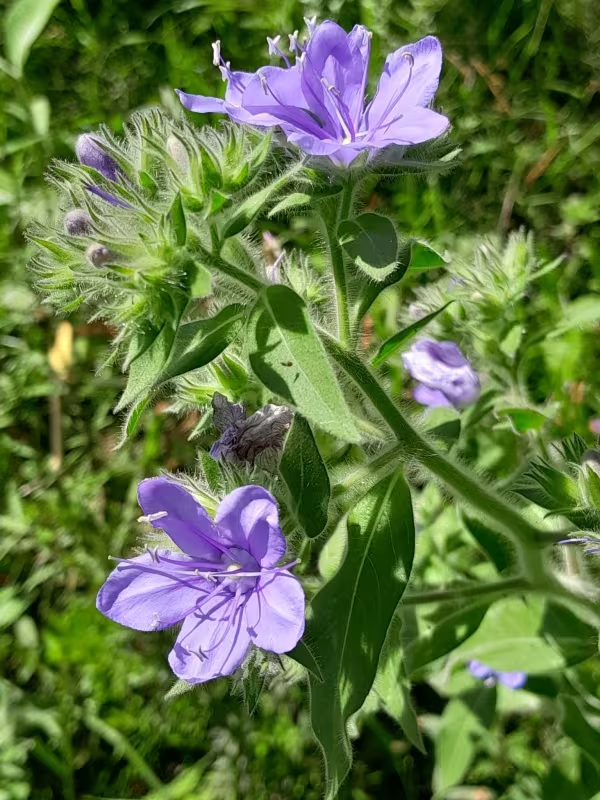
Description
Growing requirements
Hydrolea spinosa is a perennial herbaceous plant belonging to the Hydroleaceae family. It is typically found in tropical and subtropical regions, specifically inhabiting wetlands, marshes, and the margins of water bodies.
The plant features distinct spiny structures in the leaf axils, which provide defense against herbivores. Its stems are often semi-aquatic, growing effectively in mud or shallow water, which makes it a unique candidate for specific ecological niches.
Cultivation requires high humidity and constant moisture levels. Ideal sites are characterized by silty or clayey soils that can retain water throughout the growing season, preventing the root system from drying out.
As a light-loving species, it thrives best in open, sunny environments. Adequate sunlight is essential for the plant to produce its characteristic blue flowers, which bloom throughout the warmer months.
Farmers must maintain soil fertility by ensuring a steady supply of nutrients, particularly nitrogen, which supports the rapid development of its sprawling foliage.
Main diseases and pests
Fungal diseases are the primary threat, especially in stagnant water conditions where air circulation is restricted. Root rot can occur if the water becomes overly contaminated with anaerobic bacteria.
Pests such as mites and certain types of aphids can colonize the plant, particularly if it is grown in containers or areas where the climate is too dry, stressing the vegetation and slowing growth.
Effective management includes maintaining proper planting density to improve airflow and monitoring the water quality, as pollutants can exacerbate the susceptibility of the plant to infections.
Integrated pest management strategies should be used to avoid harming the surrounding aquatic wildlife, focusing on physical removal and biological controls rather than harsh chemical sprays.
Early detection of yellowing leaves or stunted development is crucial for intervention, as environmental factors often play a larger role in plant health than strictly biological pathogens.