
Hydrolea zeylanica
Hydrolea zeylanica (L.) Vahl
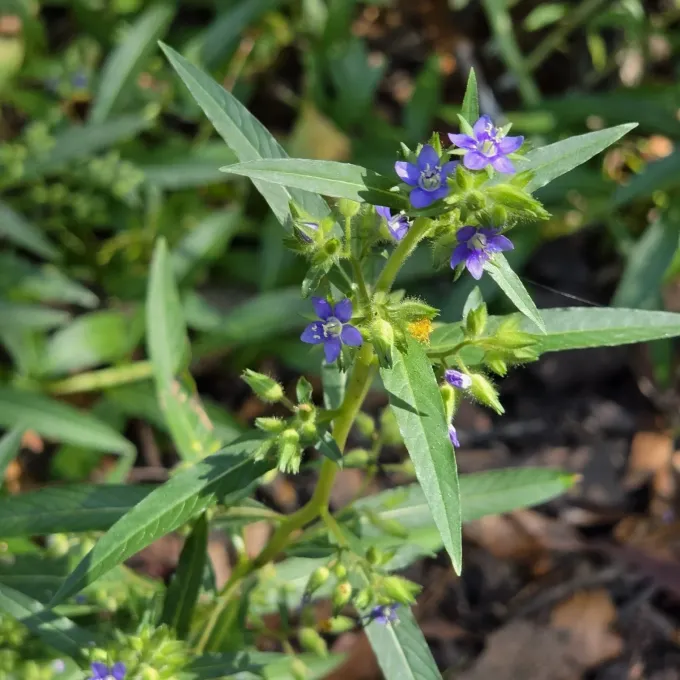
Description
Sowing dates
Hydrolea zeylanica is an annual or perennial herbaceous plant belonging to the Hydroleaceae family. It is typically propagated through seeds which germinate efficiently in wet, muddy substrates.
For agricultural cultivation, seeds should be sown in shallow water or on saturated soil at the beginning of the warm growing season.
Optimal germination occurs when temperatures range between 22 and 28 degrees Celsius, provided that there is sufficient ambient light.
Vegetative propagation using stem cuttings is a common and highly effective practice for establishing uniform plant stands in a controlled environment.
Maintaining proper planting density is crucial to ensure airflow between the plants and to avoid the accumulation of excessive biomass that can lead to disease.
Growing requirements
This species is a true hydrophyte that thrives in wet environments such as marshes, rice paddies, and the banks of slow-moving water bodies.
The plant requires rich, silty soils with a neutral or slightly acidic pH to maximize its growth potential and nutrient uptake.
Hydrolea zeylanica is highly photophilous and requires full sun exposure to maintain vigorous growth and produce high yields of biomass.
The agronomic management of this crop centers on maintaining consistent water levels; the soil should never be allowed to dry out completely.
It is sensitive to environmental stressors, so stable water conditions and moderate temperatures are the key requirements for successful long-term cultivation.
Yield
Hydrolea zeylanica has significant traditional use, particularly as a medicinal plant with antiseptic and anti-inflammatory properties derived from its leaves.
In certain agricultural systems, it is harvested as a supplementary fodder crop due to its ability to accumulate nutrients in high-moisture conditions.
Yields are primarily determined by the availability of nitrogen and phosphorus in the soil and the intensity of solar radiation during the vegetative phase.
In intensive cultivation setups, the plant is known for its fast growth rate, allowing for multiple harvests within a single growing cycle.
The product quality depends on the timing of the harvest, as the chemical profile of the plant changes significantly once the flowering stage begins.
Main diseases and pests
Fungal pathogens represent the most significant threat to the crop, especially in conditions of poor water circulation and high humidity.
Leaf-eating insects can cause substantial damage to the foliage, requiring integrated pest management strategies to protect the harvest.
Weed competition from other aquatic invasive species can suppress the development of Hydrolea zeylanica if the site is not properly prepared.
Sudden changes in water chemistry or pH, potentially caused by industrial runoff, can lead to plant decline and yield loss.
Herbicides used on adjacent crops can pose a severe risk, as this plant is highly sensitive to most chemical agricultural inputs.
Harvesting
The harvesting of medicinal foliage should ideally take place just before the plants reach full flowering to ensure peak biological potency.
After cutting, the biomass must be dried promptly in shaded, well-ventilated areas to prevent fermentation and the loss of active medicinal compounds.
For fodder purposes, the crop is typically mowed, ensuring that the root system remains intact for rapid regeneration of subsequent harvests.
Sustainable harvesting practices involve leaving a percentage of mature plants to set seeds, ensuring the long-term viability of the production plot.
Once harvested, the material should be cleaned of aquatic debris and sorted to meet industry standards for quality and purity.