
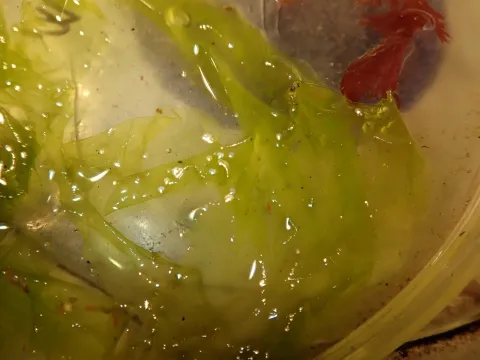
Monostroma
Monostroma
The lifecycle of Monostroma involves an alternation of generations, which dictates its specific cultivation and seeding process. In commercial farming, the process begins with obtaining zoospores or gametes from mother cultures.
What the section contains

Monostroma
Seed collection is performed using specialized collectors where spores settle onto a substrate, typically nylon nets or ropes. This initial phase is conducted in controlled hatchery environments to ensure optimal spore density.
Once the spores have germinated and attached to the substrate, they are transferred to natural marine environments. Precise timing is required to ensure the young thalli can adapt to the natural seasonal temperature fluctuations.
The ideal time for deployment into open waters is early autumn. Lowering water temperatures during this period promote the development of young thalli and build resistance before the onset of winter.
During the early development stage, managing the depth of the nets is crucial. Since young algae are sensitive to light intensity, proper placement in the water column is essential for successful growth.
Monostroma belongs to the Monostromataceae family and consists of a single layer of cells, making it highly sensitive to water quality. The culture requires clean, well-oxygenated environments to thrive.
The optimal growth environment includes shallow areas in protected bays or estuaries with good water circulation. The algae prefer moderately cool temperatures ranging from 5 to 15 degrees Celsius.
Salinity levels must remain stable between 20 and 30 parts per thousand. Sudden drops in salinity caused by heavy rainfall can negatively impact the plant's health and coloration.
A constant supply of fresh seawater rich in nitrogenous compounds and phosphates is vital for rapid development. Stagnant water conditions quickly lead to metabolic decline in the culture.
Light exposure must be carefully managed to avoid photo-inhibition. Adjustable net depths are often used by farmers to ensure that the algae receive enough light for photosynthesis without experiencing heat stress.
The yield of Monostroma is heavily dependent on the management of planting density and substrate quality. On average, a well-managed rope can produce between 500 to 800 grams of fresh biomass per season.
The active growing season lasts approximately 3 to 4 months. During this period, farmers must regularly inspect the thalli for signs of senescence or health issues to maximize production.
Factors that can reduce yields include severe storms that may damage the integrity of the thalli or wash them away from the substrate. Therefore, site selection is a critical management decision.
Maximum productivity is achieved by balancing the concentration of nutrients in the water with the density of the seedlings on the nets to prevent competition for resources among individual plants.
Maintaining high production levels requires consistent monitoring and timely harvesting, ensuring that the seaweed is collected before it begins to degrade due to environmental factors.
Parasitic fungi represent the most significant threat to Monostroma plantations, often causing "white rot" of the thalli. Infections can spread rapidly in high-density farming setups.
Epiphytic algae compete for space and nutrients, which can significantly stunt the growth of the Monostroma crop. Regular cleaning and maintenance of the nets are required to minimize this competition.
Various marine crustaceans and small mollusks can cause physical damage to the delicate tissues of the seaweed, reducing both the marketable weight and the quality of the final product.
Environmental disruptions, such as toxic algal blooms, can lead to oxygen depletion in the water, which is often fatal for the crop. Farmers must monitor water quality parameters continuously.
- Fungal infections and pathogens.
- Competition from invasive epiphytic plants.
- Grazing by marine herbivores and pests.
- Water quality degradation and pollution.
Harvesting Monostroma is typically done manually or using mechanical lifting systems. Choosing the right time to harvest is critical to maintaining the high quality and texture required for market demand.
The harvesting process involves lifting the nets from the water and carefully cutting the biomass. Precision is required to ensure that the delicate leaves are not crushed during this mechanical operation.
Post-harvest, the product is immediately washed in clean seawater to remove sand, debris, and small marine organisms. This step is essential for preserving the flavor and overall marketability of the crop.
Drying is performed under delicate conditions, either via sun-drying or in low-temperature drying chambers. Excessive heat can degrade the vitamins and minerals, which are highly valued in this crop.
After the drying process is complete, the Monostroma is sorted and packaged in airtight containers. Proper storage protects the dried seaweed from moisture and direct sunlight, ensuring its shelf life.