
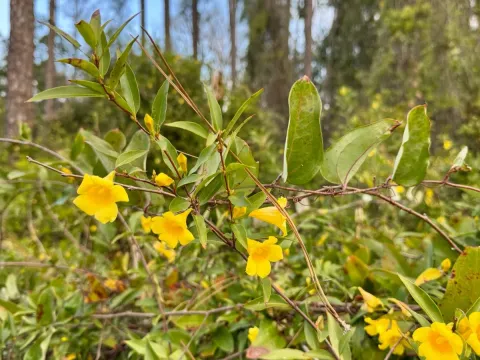
Gelsemium
Gelsemium Juss.
Gelsemium is a genus of flowering plants belonging to the family Gelsemiaceae. These evergreen woody vines are native to warm, temperate, and tropical regions of the Americas and Southeast Asia, known for their bright, fragrant flowers.
What the section contains

Gelsemium
The culture requires fertile, well-draining soil with a slightly acidic to neutral pH. They thrive in sunny locations that provide partial to full sun exposure, although some protection from the harsh afternoon sun is beneficial in extremely hot climates.
Gelsemium has limited cold tolerance. It is hardy only in mild frost-free climates and generally cannot survive temperatures below -7°C without protection. In colder regions, it is primarily grown as a container plant and kept in greenhouses or conservatories.
Agronomic management involves providing sturdy vertical support structures such as trellises or fences. Regular pruning is necessary after the blooming period to manage the vine's size, encourage bushier growth, and improve the quality of future flowering.
In terms of usage, the plant is highly valued in horticulture for vertical landscaping. It is also used in pharmacological studies due to its unique chemical profile, though its high toxicity necessitates caution in any human interaction with the plant tissue.
Root rot is the most common pathology in Gelsemium cultivation, typically caused by over-irrigation or soil that lacks adequate aeration. Improving drainage is the primary method of preventing this condition.
Pests such as spider mites and scale insects often pose a threat, especially when plants are grown in confined or overly dry environments. These pests can significantly reduce the vitality of the vine if left untreated.
Integrated pest management, including regular inspection and the use of insecticidal soaps or systemic pesticides, is recommended to manage infestations without damaging the plant's delicate foliage.
Given the plant's toxic nature, gardeners should always wear gloves when pruning or transplanting. Accidental ingestion of any part of the plant can be hazardous to both humans and domestic animals.
Maintaining balanced moisture and providing adequate light are key to keeping the plant robust enough to resist environmental stresses that often act as triggers for disease outbreaks.