
Tsusiophyllum tanakae
Tsusiophyllum tanakae
Description
Growing requirements
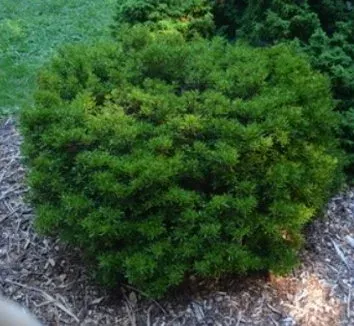
Tsusiophyllum tanakae is a unique, slow-growing dwarf shrub belonging to the Ericaceae family, native to the mountainous regions of Japan. It is highly valued by collectors for its fine texture and delicate, bell-shaped flowers that bloom in clusters at the tips of the stems.
The cultural requirements for this plant are stringent, focusing primarily on soil acidity and drainage. To thrive, it must be planted in a medium that is consistently acidic, with a pH level between 4.5 and 5.5, rich in organic matter, and completely free of standing water.
Climate adaptation is crucial for the survival of this species. It prefers cool, humid environments and struggles in regions with hot, dry summers. Providing a sheltered position, away from harsh winds and intense afternoon sun, is essential for maintaining plant health.
In terms of agricultural maintenance, mulch is the most critical tool for an agronomist or gardener. Applying a thick layer of pine needles or aged bark preserves moisture and keeps the roots cool, effectively simulating the forest floor conditions found in its native habitat.
Fertilization should be handled with extreme care. Standard chemical fertilizers are often too harsh for this delicate Ericaceous plant; it is best to use specialized slow-release feeds designed for acid-loving shrubs, applying them sparingly during the active growth period in late spring.
Main diseases and pests
Root rot, primarily caused by excessive moisture and poor soil aeration, remains the most significant threat to the longevity of the plant. If the drainage is not perfect, the root system will quickly succumb to water-borne pathogens, leading to sudden wilting and decline.
While relatively resistant to major pests, the shrub may occasionally suffer from aphids or scale insects during the early stages of the growing season. Early detection and treatment with mild horticultural oils are recommended to prevent potential damage to the foliage and buds.