
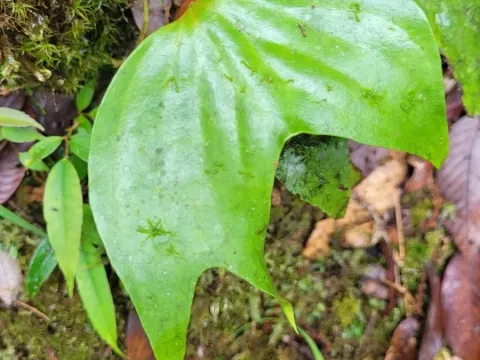
Cheiropleuria
Cheiropleuria
Cheiropleuria is a genus of rare ferns recognized as the sole member of the Cheiropleuriaceae family. While it holds no position as a major agricultural crop, it is of significant interest to botanists and collectors of rare tropical flora due to its unique evolutionary traits.
What the section contains

Cheiropleuria
Native to the humid, shaded regions of East and Southeast Asia, this plant thrives under forest canopies. It occupies niches where environmental conditions, such as high humidity and diffused light, remain constant throughout the year.
Cultivating Cheiropleuria requires meticulous attention to environmental parameters. The plant needs a stable temperature between 20°C and 25°C and must be shielded from intense, direct sunlight, which can quickly burn its delicate fronds.
The growing medium must be highly porous and well-draining. A mix consisting of sphagnum moss, orchid bark, and high-quality peat is ideal for maintaining the structure required for healthy rhizome development while preventing oxygen deprivation.
Maintaining high ambient humidity is non-negotiable for the successful growth of Cheiropleuria. In a controlled greenhouse or indoor environment, misting or the use of automated fogging systems is required to keep humidity levels consistently above 75%.
Root rot is the most common threat to Cheiropleuria, usually triggered by waterlogged substrates or poor pot drainage. When the roots remain saturated for extended periods, the plant’s health declines rapidly due to anaerobic bacterial activity.
Spider mites are a persistent threat, particularly when indoor humidity levels drop below the threshold required by the plant. These pests thrive in dry air, so maintaining consistent moisture is the best preventative measure against an infestation.
Mealybugs can often colonize the underside of the fronds, where they are protected from direct observation. Regular inspections and immediate treatment with insecticidal soaps or neem oil are necessary to control these populations.
Fungal leaf spots can appear if foliage remains wet for too long in poorly ventilated areas. Ensuring good airflow is essential to prevent moisture from settling on the fronds, which can facilitate the spread of spores.
Mineral toxicity from tap water can cause chlorosis or necrosis of the leaf edges. It is highly recommended to use deionized, distilled, or harvested rainwater to ensure the long-term vitality of the root system and foliage.