
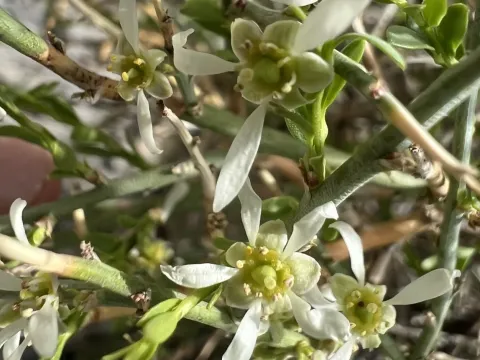
Glossopetalon
Glossopetalon
Glossopetalon is a genus of evergreen or deciduous shrubs belonging to the family Crossosomataceae. In the wild, these plants are primarily found in the arid regions of western North America, typically thriving on rocky slopes and limestone substrates.
What the section contains


Glossopetalon
The botanical structure of the plant features a compact growth habit, small entire leaves, and distinctive flowers with petaloid appendages. The stems are often woody and highly branched, providing the shrub with significant resistance to mechanical stress and wind damage.
A primary requirement for successful cultivation is a well-drained soil environment with a neutral to alkaline pH level. The plant is extremely sensitive to waterlogging, which can rapidly lead to root rot and the eventual death of the specimen if moisture persists around the crown.
This crop demonstrates remarkable tolerance to extreme temperatures and prolonged drought conditions. Having adapted to minimal rainfall in its native habitat, the plant requires only limited, supplemental irrigation during the initial establishment phase to maintain its health and vigor.
Currently, the economic use of Glossopetalon is focused primarily on ornamental gardening and xeriscaping. Due to its aesthetic appeal and low-water requirements, it is considered a valuable asset for sustainable landscape design in regions facing chronic water scarcity.
The main threats to Glossopetalon are fungal diseases that arise from excessive moisture accumulation in the root zone. To prevent the development of pathogens, growers must ensure a high-quality drainage system during planting and avoid overhead irrigation that keeps the foliage constantly wet.
There are no known major agricultural pests that cause widespread economic damage to this genus. On rare occasions, shrubs may be susceptible to minor infestations of aphids or spider mites, particularly if the plants are weakened by environmental stress or improper cultural practices.
Disease control is largely preventative, relying on site selection with excellent natural drainage and proper solar exposure. If early signs of fungal infection appear, the application of broad-spectrum systemic fungicides is recommended to halt the spread of the pathogens.
Pest management involves regular inspection of the branches during the active growing season. In cases of significant insect infestation, bio-rational insecticides are preferred, as they provide effective control while minimizing the impact on beneficial insects and the surrounding environment.
Proper pruning of dead or damaged branches is essential for maintaining the overall health and immunity of the plant. Improving air circulation within the shrub canopy through periodic thinning is a critical measure to reduce the risk of internal infection cycles.