
Glossopetalon nevadense
Glossopetalon nevadense
Description
Growing requirements
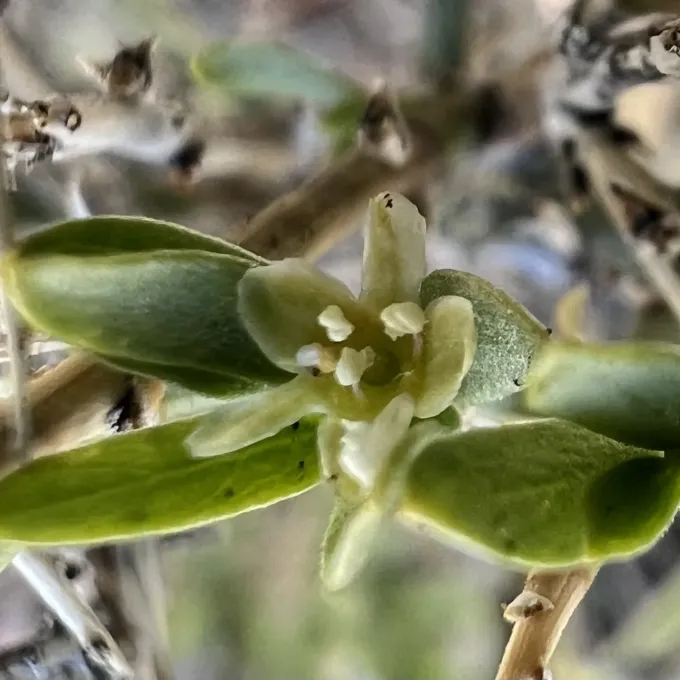
Glossopetalon nevadense is a distinct shrub belonging to the Crossosomataceae family, native to the arid regions of the Western United States. It is widely recognized for its high level of adaptation to extremely harsh, water-deficient environments.
Botanically, this species is defined by its compact growth habit and sclerophyllous leaves, which function to minimize transpiration. Its small, white flowers appear in late spring, adding significant ornamental value to landscapes, especially in xeriscaping projects.
The primary cultivation requirement is an exceptionally well-draining substrate, such as rocky or coarse sandy soil. It is imperative to avoid waterlogged sites, as the root system of Glossopetalon nevadense is highly susceptible to fungal pathogens if exposed to excessive moisture.
Optimal growth conditions involve full sun exposure and an environment with low relative humidity. The plant shows a remarkable resilience to extreme thermal fluctuations, making it suitable for areas where temperature shifts are frequent and dramatic.
Agronomic management is minimal, requiring little to no irrigation once the plants are established. Maintenance mainly focuses on maintaining site drainage and ensuring the shrubs are not crowded by competing invasive vegetation that might increase local humidity levels.