
Glossopetalon texense
Glossopetalon texense
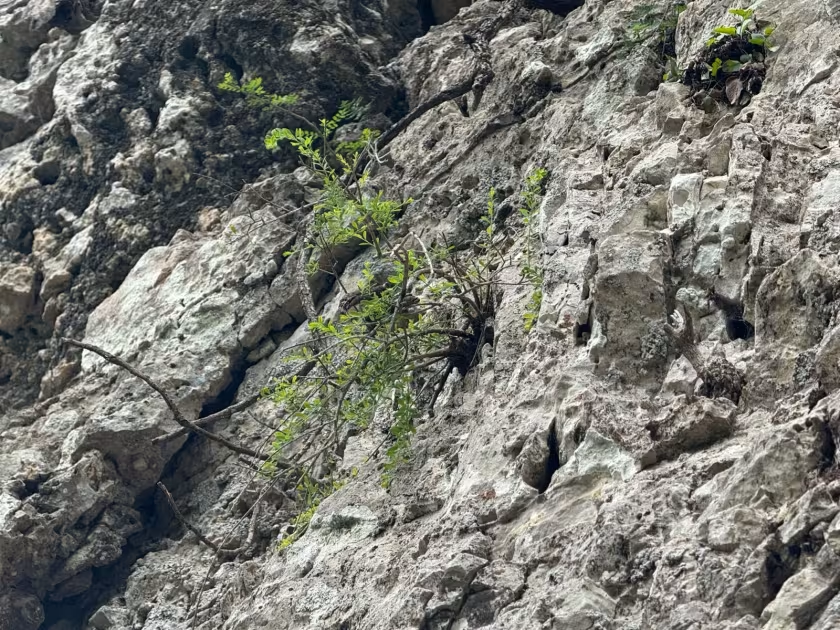
Description
Growing requirements
Glossopetalon texense is a member of the Celastraceae family, a shrub species specifically adapted to the challenging environment of limestone rocky slopes.
The plant originates from the arid regions of Texas, where it has evolved to thrive in soil profiles with limited nutrient availability and high alkalinity.
Its botanical structure includes features typical of xerophytes, such as small leaves and a slow-growth habit, which assist in preserving energy and moisture.
In terms of agricultural requirements, the species demands a highly aerated, well-drained substrate, as moisture accumulation in the root zone is fatal.
Optimal environmental conditions involve intense solar radiation and minimal competition from other vegetation, replicating its natural cliffside habitat.
Yield
The economic utilization of this species is currently focused on niche ornamental horticulture and ecological restoration projects in its native range.
While not a traditional industrial crop, the plant holds significant value for researchers studying extreme drought resistance and specialized plant physiology.
Its application in urban landscaping is limited to specialized xeriscaping, where the specific geological requirements can be artificially managed.
Future potential lies in cross-breeding programs aiming to introduce resilient genes into more commercially viable ornamental shrubs of the Celastraceae family.
Current propagation methods are slow, often requiring careful control of environmental inputs to mimic the harsh natural growth cycles of the species.
Main diseases and pests
Fungal pathogens associated with soil-borne diseases pose the most significant risk to the health of Glossopetalon texense, especially under improper irrigation.
Root rot remains the primary threat, often triggered by waterlogged conditions that occur when soil drainage parameters are not met.
The plant is generally resilient to most common insect pests, but careful monitoring is required during the initial stages of establishment in new sites.
Environmental stressors such as unseasonable humidity can disrupt the plant's natural dormant phases, making it more vulnerable to opportunistic pests.
Integrated pest management should prioritize cultural practices, including strategic spacing and precise water delivery systems to prevent any pathogen proliferation.