
Calycobolus
Calycobolus
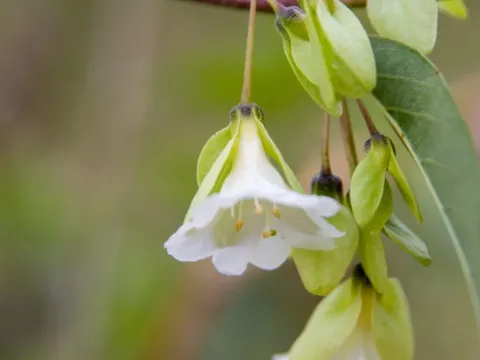
Calycobolus is a genus of flowering plants belonging to the Convolvulaceae family. These are mainly woody or semi-woody lianas that naturally inhabit the tropical regions of Africa and Madagascar.
What the section contains
Calycobolus
The plant has high temperature requirements, preferring an exclusively warm tropical climate without sharp temperature fluctuations. It is light-loving and requires bright, indirect light throughout the day for full development.
Soil preferences include well-drained substrates with a high degree of aeration. The plant reacts extremely negatively to water stagnation in the root system, so it is necessary to create a drainage layer in heavy clay soils.
In industrial or decorative cultivation conditions, it is important to maintain stable air humidity, as a dry climate provokes a slowdown in shoot growth. The crop does not have high winter hardiness and is prone to leaf drop at temperatures below +10°C.
The agrotechnology of the species requires regular sanitary and formative pruning, as lianas have high growth energy and are prone to rapid crown thickening. Installation of reliable vertical supports is necessary to maintain decorativeness and shoot health.
Typical pests for Calycobolus in indoor conditions are spider mites and mealybugs, which become active with insufficient watering. Regular inspection of the underside of the leaves is necessary for prevention.
Diseases are most often represented by root rots arising from violations of the irrigation regime. Waterlogging of the substrate creates a favorable environment for the development of pathogenic fungi that attack the root system.
Bacterial leaf spots can occur with poor ventilation in greenhouses. High humidity at low temperatures is a critical risk factor that provokes the rapid spread of infections.
Control measures include the use of systemic broad-spectrum fungicides at the first signs of damage. An important element of protection is compliance with sanitary standards and timely removal of damaged plant fragments.
Balanced application of potassium-phosphorus fertilizers helps to increase the natural resistance of the crop to environmental stress factors. Preventive spraying with biological preparations helps minimize the risk of disease development.