
Cretan Cressa
Cressa cretica
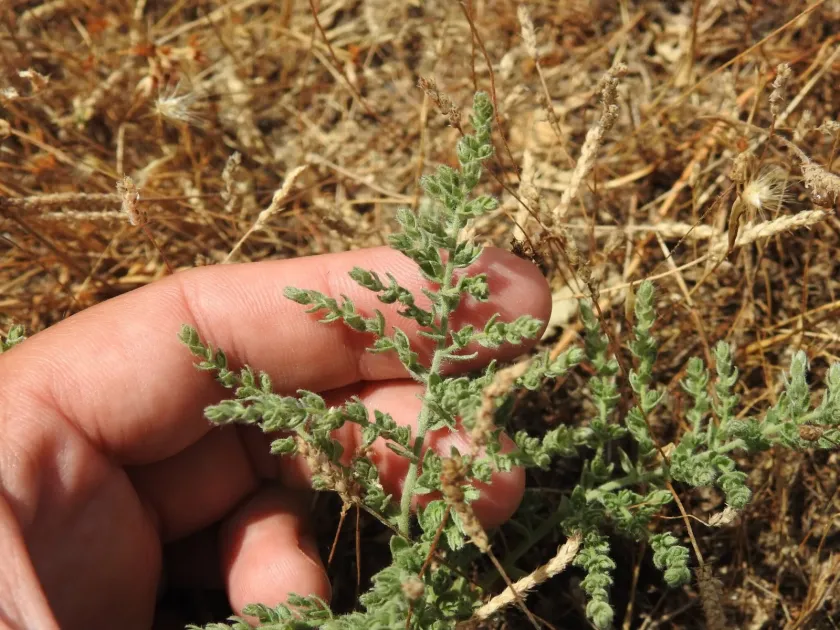
Description
Growing requirements
Cretan Cressa (Cressa cretica) is a perennial subshrub belonging to the Convolvulaceae family. It is recognized as a hardy halophyte, specifically adapted to thrive in saline environments where standard crops would fail to survive.
The native range of this species extends across the Mediterranean basin, the Middle East, Central Asia, and North Africa. It is commonly found in salt marshes, coastal dunes, and arid areas with high water-table salinity.
From a botanical perspective, the plant is characterized by its prostrate or erect habit, small, densely arranged leaves, and a deep root system. This morphology is an evolutionary adaptation that allows for efficient water uptake and salt tolerance.
In terms of agricultural requirements, Cretan Cressa thrives in sandy or silty soils with high salt concentrations. It does not require intensive irrigation or fertilization, making it a sustainable choice for low-input agricultural systems in desert regions.
Economically, the plant is highly valued for phytoremediation, as it helps reclaim degraded saline soils. Furthermore, it serves as a source of biomass that can be utilized as supplemental fodder for goats and camels in areas where vegetation is scarce.
Main diseases and pests
Due to its specialized physiology and the saline nature of its habitat, Cretan Cressa is naturally resistant to a wide range of common agricultural diseases and fungal infections.
Insect pests, such as aphids and certain types of beetles, can occasionally cause damage to the tender growth tips, but these outbreaks are rarely devastating to the overall population.
The primary concern during commercial cultivation is waterlogging. Excessive stagnant water in the root zone can impair the plant's metabolic functions and facilitate root rot.
Effective management involves maintaining the soil salinity levels to which the plant is adapted, as excessive desalinization may actually introduce competition from invasive non-halophytic weeds.
Integrated pest management in these areas focuses on biological controls, as the use of synthetic chemicals is often unnecessary and economically inefficient given the marginal nature of the land.