
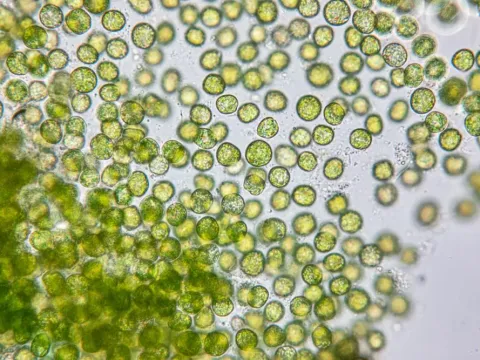
Chlorella
Chlorella
Chlorella (Chlorella) is a genus of single-celled green algae belonging to the Chlorellaceae family. In agricultural practice, the planting process involves the inoculation of a starter culture into a specialized nutrient medium.
What the section contains

Chlorella
Propagation occurs in photobioreactors or open ponds at optimal temperatures ranging from 20 to 30 degrees Celsius. Essential requirements include adequate light and constant agitation to ensure nutrient availability for the cells.
Carbon dioxide sparging is a standard technique used to provide carbon for photosynthesis, which significantly accelerates the growth and biomass accumulation of the Chlorella culture.
The rate of reproduction is highly dependent on light exposure, with an optimal photoperiod of 14 to 16 hours per day required for intensive development.
The cultivation cycle to reach commercial density typically lasts between 5 and 10 days, depending on the intensity of light and the overall technological setup of the facility.
Chlorella requires a high-quality nutrient medium balanced with nitrogen, phosphorus, potassium, and essential micronutrients such as iron and magnesium to thrive.
The optimal pH level for the medium ranges from 7.0 to 8.5. Maintaining this alkaline balance is crucial to prevent the growth of contaminating microorganisms and to ensure cell viability.
Temperature control is a critical factor; temperatures below 15 degrees Celsius induce dormancy, while exceeding 35 degrees Celsius can cause irreversible damage to the cells.
Water quality is paramount, as the presence of chlorine, heavy metals, or toxic chemical contaminants can inhibit the photosynthesis process and destroy the culture.
Lighting must be sufficient for photosynthesis, but excessive direct sunlight can cause photoinhibition, leading to reduced productivity in outdoor cultivation systems.
Yield in Chlorella production is measured by cell density per milliliter of suspension. Advanced cultivation methods allow for extremely high population densities in controlled environments.
Continuous culture systems enable periodic harvesting, where a significant portion of the biomass is removed daily while refreshing the medium to sustain the remaining population.
The biological value of Chlorella is high due to its content of complete proteins, vitamins, and antioxidants, making it a highly effective feed additive for livestock.
When used as an agricultural bio-stimulant, Chlorella improves soil health and increases crop yields by 15–20% through the stimulation of beneficial soil microorganisms.
Harvest readiness is visually indicated by the deep green color of the suspension, signifying a high chlorophyll content and optimal metabolic activity of the algae.
The main threat to Chlorella production is contamination by other algal species or protozoa, such as ciliates, which feed on Chlorella cells and collapse the population.
Bacterial contamination can lead to acidification of the medium, changing the suspension color to yellow or brown and creating an unsuitable environment for the culture.
Viral infections specifically targeting Chlorella strains can rapidly destroy entire batches in a photobioreactor, requiring strict aseptic protocols to manage.
Improper temperature or lighting conditions can facilitate the growth of molds and fungi, which colonize bioreactor surfaces and contaminate the growth medium.
Preventive strategies include regular sterilization of equipment, filtration of air and water inputs, and frequent monitoring of the culture for signs of biological instability.
Harvesting Chlorella biomass involves separating the cells from the nutrient solution, typically performed through centrifugation or flocculation using specialized additives.
In many agricultural applications, the suspension is used directly in liquid form, which significantly reduces processing costs and preserves the vitality of the cells.
Modern production facilities utilize cyclical harvesting techniques, allowing for a steady supply of biomass while ensuring the continuous growth of the remaining culture.
Once harvested, the biomass should be used promptly, as it is a biologically active product that can degrade quickly if not stored under controlled conditions.
The efficiency of the harvest is highly dependent on achieving the target density and maintaining precise environmental parameters until the very moment of extraction.