
Chlorella vulgaris
Chlorella vulgaris
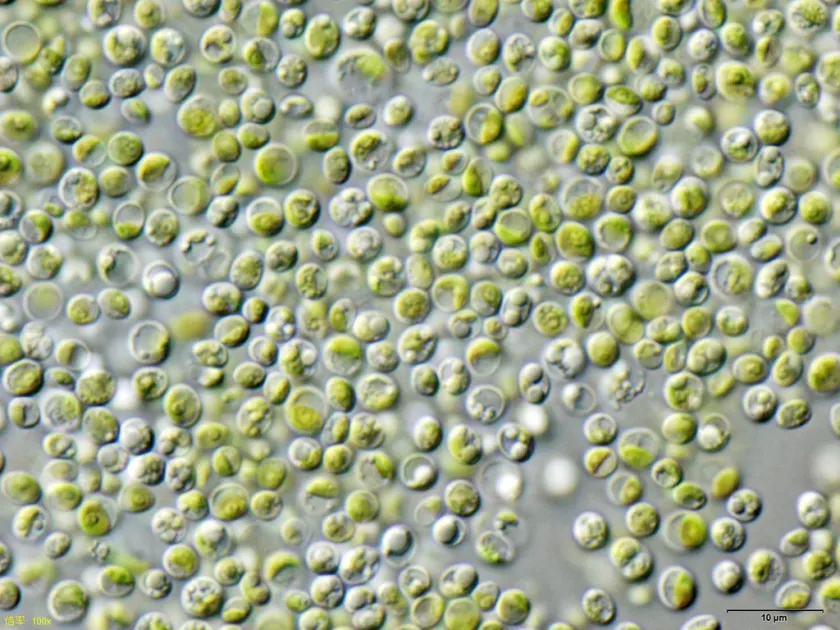
Description
Sowing dates
Chlorella vulgaris, a genus of single-celled green algae, is propagated through the inoculation of a pure starter culture into specialized growth media. This process is typically performed in photobioreactors or controlled open ponds.
The initial stage requires a high concentration of healthy cells to ensure that the culture establishes quickly and outcompetes any potential contaminants in the growing medium.
Sowing schedules are optimized for periods of maximum light intensity, as the growth rate is intrinsically linked to the availability of photons necessary for the photosynthesis of this autotrophic organism.
In large-scale operations, the "sowing" or inoculation is done sequentially, scaling up from laboratory flasks to industrial-sized reactors to maintain the vigor of the strain.
Proper nutrient ratios, specifically nitrogen and phosphorus, must be established at the moment of inoculation to kickstart the exponential growth phase of the algae.
Growing requirements
Light is the most critical requirement for Chlorella vulgaris. As a phototrophic organism, it requires either direct sunlight or full-spectrum artificial LED lighting to fuel its rapid cellular division.
Temperature control is essential, with an optimal range between +25°C and +30°C. Deviations outside this range can severely inhibit metabolic activity and may lead to the total collapse of the population.
Continuous agitation or aeration is necessary to ensure that cells remain suspended in the water column and receive a steady supply of dissolved carbon dioxide for photosynthetic activity.
The water quality must be strictly monitored to prevent the presence of heavy metals or chlorine, which can be toxic to algal cultures and lead to significant losses in biomass production.
Maintaining a stable pH between 6.5 and 7.5 is crucial for nutrient uptake. Automated systems are often used to inject CO2 to regulate both the pH and the availability of carbon for the algae.
Yield
Yield is measured by the density of the cell culture or the amount of dry biomass produced per unit of volume. Chlorella is known for its high productivity under optimal conditions.
In high-intensity photobioreactors, yields can reach significant values due to the precise control of nutrients, light, and CO2, allowing for multiple harvests per week.
Yield stability is heavily dependent on the dilution rate of the culture. Removing a portion of the biomass regularly keeps the population in the rapid growth phase, maximizing the overall annual yield.
The biomass content of proteins, lipids, and vitamins can be slightly adjusted by altering the nutrient composition of the medium, allowing producers to tailor the final product for specific applications.
Statistics indicate that optimized industrial production can achieve a high ratio of dry mass to total energy input, making it a sustainable and efficient agricultural product.
Main diseases and pests
The primary threat to Chlorella vulgaris is biological contamination. Invasive species such as protozoa, rotifers, or other faster-growing algae can quickly decimate a culture.
Temperature fluctuations and lack of light can stress the culture, making it more susceptible to viral infections or bacterial blooms that degrade the water quality.
Disease symptoms usually present as a change in the color of the suspension. A healthy culture is bright green, whereas an unhealthy or dying culture may turn yellow, brown, or grey.
- Bacterial contamination leading to water turbidity.
- Predatory zooplankton grazing on the algal cells.
- Incompatibility issues with improper water chemistry.
Strict biosecurity measures and regular microscopic analysis of the culture are the most effective ways to manage threats and maintain a clean production environment.
Harvesting
Harvesting involves the separation of the algal cells from the culture medium. This is typically achieved through centrifugation or membrane filtration, which are the most common industrial methods.
Once concentrated, the biomass can be processed into a paste or dried into a fine powder. These forms are widely used in animal feed, fertilizers, and dietary supplements.
The efficiency of the harvest process is a major factor in the economic feasibility of Chlorella farming, as the energy costs associated with dewatering can be substantial.
For agricultural use, liquid suspension is sometimes used directly to improve soil health or to feed aquatic species, which eliminates the need for expensive drying equipment.
Proper storage post-harvest is required to prevent degradation of the bioactive compounds, meaning that the product should be handled under controlled temperature conditions immediately after removal from the growth tanks.