
Cephalotus
Cephalotus
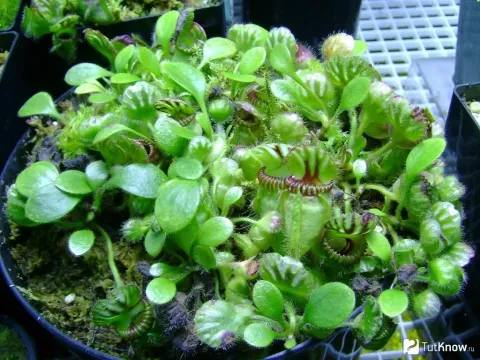
Cephalotus (Cephalotus follicularis) is a fascinating carnivorous plant species and the sole member of the Cephalotaceae family. It is endemic to the southwest of Australia, where it naturally occupies wetlands, swamps, and creek edges with high moisture levels.
What the section contains

Cephalotus
This plant is renowned for its specialized foliage, which includes standard flat leaves and iconic, pitcher-shaped traps. These pitchers are lined with digestive enzymes to attract and break down insects, providing essential nutrients that are otherwise unavailable in the nutrient-poor, sandy soils of its habitat.
In cultivation, Cephalotus requires a carefully controlled environment to thrive. It prefers a temperate climate with daytime temperatures around 20-25 degrees Celsius, while a significant drop in nighttime temperature is essential to mimic its natural environment and maintain plant vigor.
The growing medium must be highly specific, consisting of a mix that ensures excellent drainage while retaining consistent moisture. A typical mixture includes sphagnum peat, perlite, and sand, ensuring that the roots remain aerated and preventing any anaerobic conditions that can prove fatal.
Watering is a critical task, as the plant is highly sensitive to minerals and salts. Only distilled, reverse osmosis, or pure rainwater should be used for irrigation. The pots are usually placed in shallow water trays to provide steady moisture without soaking the plant base excessively.
Root rot is the most common threat to Cephalotus, typically triggered by stagnant water, insufficient light, or improper soil composition. Maintaining good air circulation is vital, as stagnant air can encourage the growth of pathogenic fungi and rot-inducing bacteria.
Pests such as spider mites, aphids, and mealybugs can infest the pitchers and foliage. When dealing with these threats, one must be cautious with chemical treatments, as the plant's delicate tissues, particularly the nectar-secreting peristome of the pitchers, are highly sensitive to harsh chemicals.