
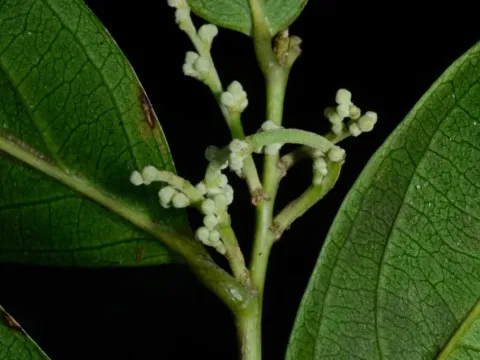
Centroplacus
Centroplacus
Centroplacus is a genus of flowering plants belonging to the Pandanaceae family. Native to the tropical forests of equatorial Africa, these plants are adapted to thrive in warm, humid environments where competition for light and space is intense.
What the section contains

Centroplacus
Botanically, Centroplacus species are characterized by their woody growth habit and specific leaf morphology. They typically grow in shaded areas beneath the forest canopy, which necessitates specific light management if cultivated in controlled settings.
Environmental requirements for Centroplacus are strict, demanding consistently high temperatures and high ambient humidity. The plant shows low tolerance for temperature fluctuations and requires a stable climate to maintain optimal vegetative growth throughout the year.
Regarding soil conditions, the plant prefers well-drained, nutrient-rich substrates that mimic the natural organic layer of tropical forests. It is essential to ensure that the medium remains moist but never waterlogged to avoid root suffocation and subsequent decay.
Cultivation practices should emphasize gentle organic fertilization. Given the slow growth rate typical of many forest-floor species, the focus should be on long-term sustainability and the gradual replenishment of nutrients in the root zone.
The primary threats to Centroplacus include fungal infections, specifically those affecting the roots, caused by poor drainage and stagnant moisture. These pathogens can compromise the entire plant if not detected in the early stages of infection.
Insect pests such as scale insects and mites are prevalent in tropical settings and can significantly debilitate the plant by feeding on leaf sap. This leads to chlorosis and reduced photosynthetic capacity, weakening the specimen against secondary environmental stress.
Bud-damaging insects represent another major concern, potentially stunting the apical growth of the plant. Regular monitoring of the growing tips is crucial to preserve the natural structure and development of the canopy.
Environmental stress, particularly the lack of air circulation, can trigger outbreaks of powdery mildew, especially on younger, more vulnerable leaves. Increasing airflow is the most effective preventative measure against these conditions.
Furthermore, physiological stress resulting from sudden changes in light intensity or drought conditions significantly reduces the plant's natural resistance, making it more susceptible to opportunistic pathogens commonly found in the soil and atmosphere.