
Centroplacus glaucinus
Centroplacus glaucinus
Description
Growing requirements
Centroplacus glaucinus is a distinct tropical tree species belonging to the Centroplacaceae family. It is indigenous to the dense rainforests of Central and West Africa, where it thrives in high-humidity environments.
The plant requires fertile, well-draining soils rich in organic matter to reach its full growth potential. It is sensitive to waterlogging and long periods of drought, making it highly dependent on consistent rainfall patterns.
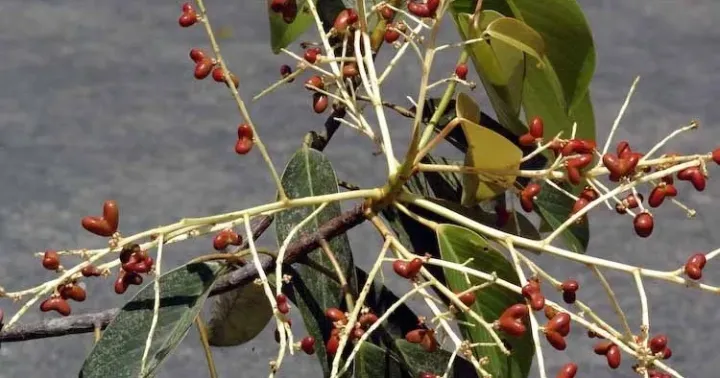
Botanically, the species is defined by its evergreen foliage, with the underside of the leaves often exhibiting a glaucous or bluish-grey tint. This feature is a key adaptation to the varying light conditions found in the forest understory.
In terms of agricultural and forestry management, this tree is studied for its potential in sustainable agroforestry systems. It serves as a valuable component for maintaining ecosystem stability in its native tropical range.
The timber derived from this species is noted for its durability, which makes it a locally significant material for traditional construction and various wood-based applications in its native region.