
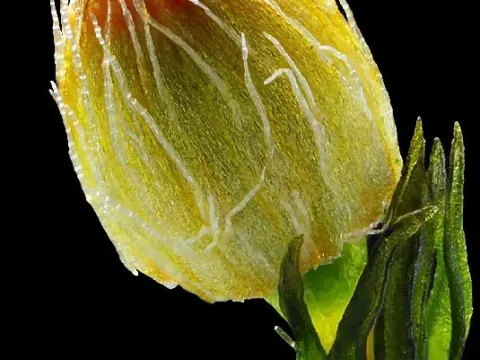
Catascopium
Catascopium
Catascopium is not an agricultural crop but a genus of mosses within the Catascopiaceae family. It comprises a singular, highly specialized species known as Catascopium nigritum, which is of great interest in bryology.
What the section contains

Catascopium
This moss thrives in specific ecological niches, favoring moist, mineral-rich substrates often associated with limestone or calcareous bedrock. It is typically found in habitats such as springs, stream banks, and wet meadows with active seepage.
The geographical distribution of Catascopium encompasses vast regions of the Holarctic, appearing in both arctic and temperate climatic zones. It is highly dependent on a stable micro-environment where the chemical composition of groundwater remains constant.
Botanically, the plant is characterized by small, upright stems with lanceolate leaves. These structures are adapted to endure fluctuating moisture levels while maintaining growth in mineral-rich, high-pH soil conditions that many other moss species avoid.
The most distinctive feature of the genus is its sporophyte. The capsule is unique, possessing a bulbous, pendulous, or urn-like shape that sits atop a long seta, which is the primary trait used by researchers for precise taxonomic identification.
Catascopium is not subject to agricultural pests or conventional plant diseases. Its primary threats are environmental disturbances and the alteration of fragile wetland ecosystems where the moss establishes its colonies.
Human activities, such as land drainage, peat extraction, or large-scale construction, significantly threaten local populations. The lowering of the water table is fatal to this species as it relies entirely on consistent surface moisture.
Eutrophication from agricultural runoff represents a major threat. Elevated levels of nitrates and phosphates alter the water chemistry, making it impossible for the moss to compete against more vigorous, nutrient-demanding vegetation.
Changes in the local climate, specifically long-term droughts, can cause the desiccation of the seepage areas required for the moss to propagate. Once a colony is destroyed by environmental factors, it rarely recovers due to slow growth rates.
Conservation of Catascopium relies on the protection of its natural habitat. Because it is an indicator species for clean, mineral-rich groundwater, its presence serves as a gauge for the health of local wetland and riparian ecosystems.