
Berry catchfly
Cucubalus baccifer
Description
Growing requirements
The Berry catchfly (Cucubalus baccifer) is a perennial herbaceous plant belonging to the Caryophyllaceae family. It is recognized for its trailing or climbing stems that often entangle surrounding vegetation in its native Eurasian habitat.
This species thrives in moist, nitrogen-rich environments. It is commonly found in forest clearings, scrublands, along riverbanks, and in shaded, disturbed soils, making it a frequent inhabitant of wilder garden areas.
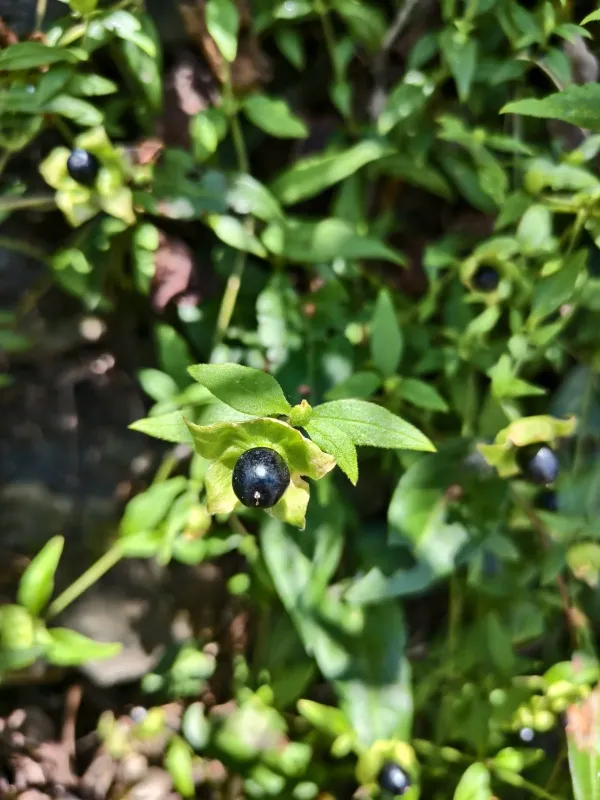
Botanically, it features simple ovate leaves and distinctive white flowers with a swollen, greenish calyx. The most unique characteristic of this plant is its shiny black, berry-like fruit, which sets it apart from other catchfly species.
The plant requires stable moisture levels and protection from intense heat. It prefers the semi-shaded conditions typical of woodland edges and does not perform well in open, arid agricultural fields.
Its growth cycle involves rapid vegetative expansion during the spring and summer, followed by fruit maturation. Understanding these growth phases is crucial for both botanical observation and effective garden management.
Main diseases and pests
In agricultural settings, the Berry catchfly is classified as a weed. Its climbing habit allows it to smother small shrubs and perennial crops, reducing their yield and accessibility for harvesting procedures.
Control strategies emphasize manual removal of the root system. Due to its vigorous regrowth potential from rhizomes, shallow cultivation is often insufficient, requiring deep mechanical disturbance or herbicide application.
The species may serve as a host for various pathogens that can migrate to related crops. Monitoring for signs of leaf spots or fungal infections on the Berry catchfly is recommended for maintaining overall garden health.
While not a primary target for major pests, it can harbor aphids that might spread viruses to nearby fruit-bearing plants. Removing the weed in the early season significantly mitigates these risks.
Integrated pest management (IPM) practices, including competitive planting and consistent monitoring, are the best defense against this plant in cultivated lands. Prompt intervention prevents its seeds from spreading throughout the property.