
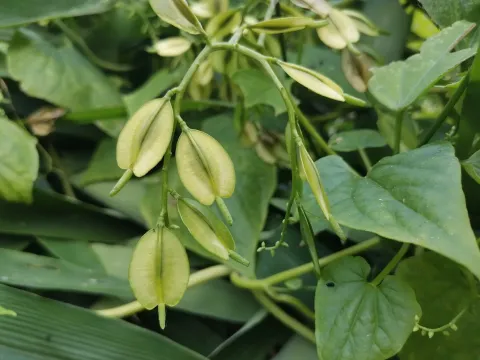
Cardiopteris
Cardiopteris
Sowing Cardiopteris seeds typically begins in early spring, ensuring the substrate temperature remains consistently above 20 degrees Celsius for optimal germination.
What the section contains

Cardiopteris
The seeds often possess a hard coat, requiring pre-sowing treatment or soaking in warm water to facilitate water absorption and embryo activation.
It is recommended to use a lightweight, well-draining seed-starting mix, ensuring that the seeds are covered only lightly to prevent fungal damping-off.
Maintaining a high ambient humidity level is crucial during the initial stages of seedling development to support the emergence of primary leaves.
Once seedlings have developed several sets of true leaves, they should be carefully transplanted into larger pots to prevent root confinement and ensure healthy growth.
Cardiopteris is a genus of flowering plants belonging to the family Cardiopteridaceae, known for its distinct vining habit in tropical and subtropical regions.
The plant thrives in semi-shaded environments, mimicking the light conditions found under the canopy of its native forest habitats in Asia and Australia.
Soil quality is paramount; the ideal medium should be nutrient-rich, humus-based, and maintain a neutral to slightly acidic pH level for healthy nutrient uptake.
As a climbing plant, Cardiopteris requires sturdy vertical structures or trellis systems to support its rapid vegetative growth during the summer season.
Consistent moisture levels must be maintained through regular watering, though careful attention should be paid to avoid waterlogging the root zone.
Spider mites are the most common pests affecting Cardiopteris, particularly in environments where low humidity levels are prevalent for extended periods.
Fungal issues, such as powdery mildew, often occur when there is insufficient airflow or when the plant is kept in overly stagnant conditions.
Root rot pathogens may thrive if the growing medium lacks proper aeration, potentially causing sudden yellowing and decline of the entire plant structure.
Preventive measures include implementing good sanitation practices and maintaining a clean environment around the base of the climbing vine.
Using organic fungicide treatments and biological pest control agents is recommended to maintain the plant's health without disrupting the local ecosystem.