
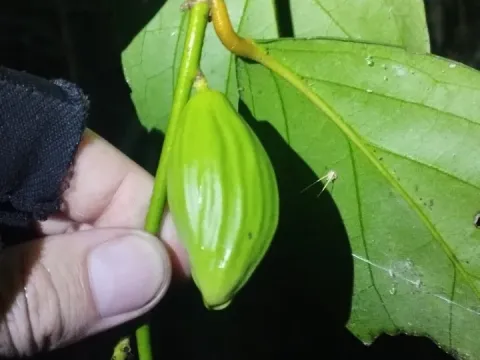
Gonocaryum
Gonocaryum
Gonocaryum is a genus of evergreen trees and shrubs belonging to the Cardiopteridaceae family. These plants are indigenous to the tropical regions of Southeast Asia, thriving in high-humidity environments characterized by consistent annual temperatures.
What the section contains
Gonocaryum
Cultivation of Gonocaryum requires a stable tropical environment. Frost and extreme temperature fluctuations are detrimental to the plant's health, making it suitable primarily for tropical or highly controlled greenhouse settings.
The soil must be well-drained and nutrient-rich to support the slow but steady growth habit of these trees. A loamy, organic-rich soil base with a slightly acidic pH level is preferred for optimal root development and nutrient uptake.
Water management is crucial for the success of this crop. While the plants require consistent moisture, they are highly sensitive to waterlogged conditions, which can lead to rapid root rot and overall plant decline.
Shade management is essential during the plant's early life stages. Providing filtered sunlight mimics the natural understory environment of the tropical forest, fostering healthy foliage development and reducing the risk of heat stress.
The harvest of Gonocaryum fruits is generally a localized activity. The fruits, typically drupes, are picked when they reach full maturity, which is indicated by a characteristic color change of the outer skin.
Since the species is not cultivated on a massive commercial scale, manual harvesting methods remain the standard. Care must be taken to avoid damaging the relatively delicate branches and the fruit itself during the collection process.
Post-harvest handling involves cleaning the drupes and preparing them for either immediate consumption or processing. In certain regions, the fruits are treated to remove bitterness or tannins before they become palatable.
Beyond human consumption, the wood of certain Gonocaryum species has been utilized for small-scale artisanal crafts due to its density and fine texture, although the slow growth rate limits large-scale exploitation.
Future research into the physiological and biochemical properties of Gonocaryum could unlock greater potential for the species in sustainable tropical agriculture, specifically in agroforestry systems that prioritize biodiversity and non-timber forest products.