
Cardiopteris quinqueloba
Cardiopteris quinqueloba
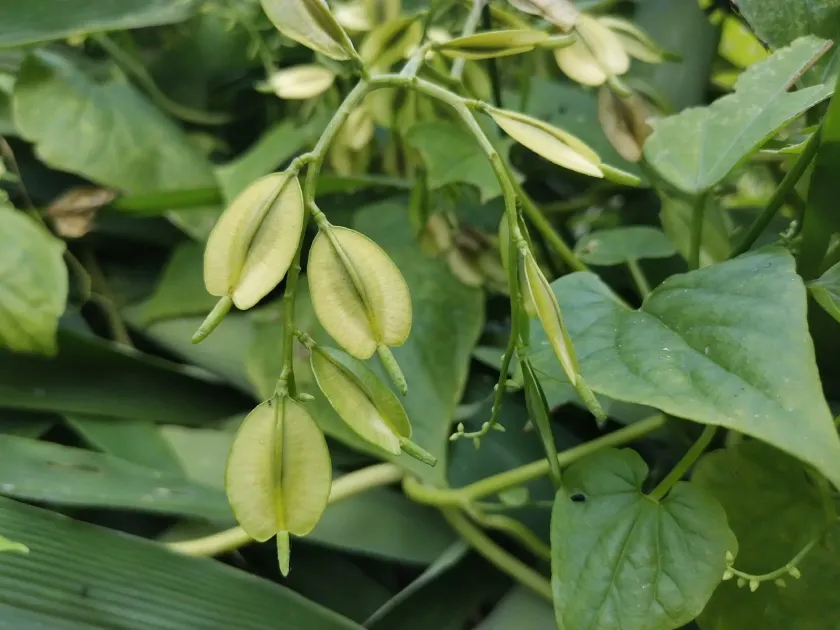
Description
Sowing dates
The sowing of Cardiopteris quinqueloba seeds is typically performed in early spring once the threat of ground frost has passed and soil temperatures remain consistently above 15 degrees Celsius.
It is recommended to soak the seeds for several hours prior to planting to enhance germination rates. Sowing depth should be shallow, generally around 1 to 2 centimeters deep.
In regions with shorter growing seasons, starting the seeds indoors in biodegradable pots is a standard practice to ensure a head start on the vegetative growth cycle.
Spacing requirements are essential for the healthy development of this vine. Planting specimens at least 60 centimeters apart ensures adequate airflow and prevents competition for nutrients.
The selection of a site with sturdy trellis structures is mandatory, as this plant exhibits strong climbing characteristics and requires vertical support to reach its full potential.
Growing requirements
Cardiopteris quinqueloba is a member of the Cardiopteridaceae family, native to the tropical forests of Southeast Asia, known for its distinct five-lobed foliage structure.
The plant thrives in fertile, well-draining soils rich in organic matter. Soil pH levels should be maintained in a neutral to slightly acidic range for optimal nutrient uptake.
Light intensity is critical; while the plant enjoys bright locations, it requires partial shade or dappled sunlight to protect the leaves from excessive transpiration and scorching.
Consistent moisture levels are necessary for survival. Although it requires high humidity, the roots should not be subjected to waterlogged soil, which can lead to rapid decay.
Temperature management is crucial, as the plant prefers stable, warm conditions typical of its native environment, ideally between 22 and 26 degrees Celsius.
Main diseases and pests
Typical threats include common greenhouse pests such as spider mites, which flourish in dry indoor environments, and aphids that target the tender, emerging terminal shoots.
Fungal pathogens like powdery mildew can appear when humidity is high but airflow is insufficient, manifesting as white, dusty patches on the leaf surfaces.
Root rot is the most common physiological disorder caused by overwatering or compacted soil, often leading to sudden wilting and death of the entire vine.
Cultural practices such as removing yellowing leaves and ensuring that the planting area is free of debris help to minimize the development of harmful fungal spores.
Integrated pest management, including the use of horticultural oils and neem-based solutions, is highly effective for controlling outbreaks before they impact plant vigor.