
Savoy cabbage
Brassica oleracea L. (Savoy Cabbage Group)
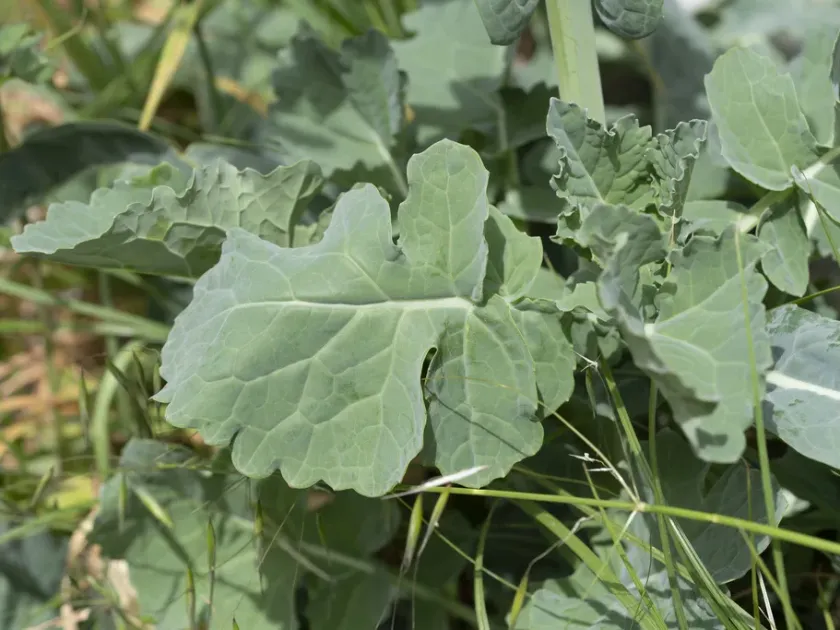
Description
Sowing dates
Savoy cabbage (Brassica oleracea L. var. sabauda) belongs to the Brassicaceae family. It is a biennial plant often cultivated as an annual for its leafy heads, characterized by distinctive crinkled leaves.
Seedlings are typically started indoors 4 to 6 weeks before the last expected frost. Using high-quality seed trays and soil mix ensures healthy root development before transplanting into the open field.
Direct sowing is possible in regions with long growing seasons. Seeds should be planted at a depth of 1-2 centimeters in well-prepared, moisture-retentive soil for optimal germination rates.
Spacing is a crucial factor: smaller varieties need about 40 cm between plants, while larger, late-maturing varieties require up to 60 cm of space to develop their full potential without overcrowding.
Crop rotation is mandatory to prevent the build-up of soil-borne pathogens. Avoid planting Savoy cabbage after other Brassicas to maintain soil health and reduce disease pressure.
Growing requirements
Savoy cabbage thrives in cool weather and requires consistent moisture. Irrigation should be managed to keep the soil evenly damp without creating waterlogged conditions which promote root rot.
The ideal soil is fertile, well-draining, and rich in organic matter, with a pH level between 6.5 and 7.5. Adding compost or well-rotted manure before planting is highly recommended.
Temperature management is vital; while the plant prefers cool climates (15–20°C), extreme heat can cause the heads to form loosely or bolt prematurely. Mulching helps keep the roots cool.
Regular maintenance involves light hoeing to control weeds and improve oxygen circulation in the root zone. Avoid deep cultivation near the plants to prevent damaging the fibrous root system.
Fertilization should be split into phases: high nitrogen in the early growth stages for foliage development, followed by potassium and phosphorus to support the density and quality of the heads.
Yield
Savoy cabbage is highly valued in the culinary world for its texture and milder flavor compared to common green cabbage. Yields per hectare typically range between 30 to 50 tons under optimal management.
The market potential is high, especially for fresh culinary use. Because the leaves are fragile, post-harvest handling must be careful to avoid bruising the delicate crinkled structures.
Varieties differ in maturity, ranging from early summer harvest to late autumn harvest. Selecting the right hybrid for your specific climate zone is essential for reaching predicted yield targets.
Storage of late-season varieties is feasible in climate-controlled environments. Keeping the temperature near 0°C with high humidity ensures the heads remain firm for several months.
Effective plant population management and early detection of growth issues are the primary drivers of high-quality yield throughout the production cycle.
Main diseases and pests
Common pests include cabbage worms, aphids, and flea beetles. Integrated pest management, including row covers and biological controls, is preferred over broad-spectrum pesticides.
Clubroot is a serious soil-borne disease caused by Plasmodiophora brassicae. Prevention involves maintaining a neutral soil pH through liming and strict adherence to long-term crop rotation cycles.
Downy mildew and black rot can occur during periods of high humidity or poor air circulation. Proper spacing between plants significantly reduces the risk of these fungal and bacterial infections.
Monitoring for signs of pest damage is critical during the first few weeks after transplanting. Early intervention is far more effective than trying to manage an established infestation.
- Integrated pest management
- Proper crop spacing
- Soil pH monitoring
- Weed suppression
- Sanitation practices
Harvesting
Harvesting is performed by cutting the head from the stalk once it feels firm. Unlike other vegetables, Savoy cabbage heads can be harvested selectively over several weeks for early varieties.
For late-season crops, a light frost does not harm the plant; in fact, it often enhances the sweetness of the leaves, making it a preferred crop for autumn markets.
Remove the lower, damaged leaves during harvest to keep the head clean and ready for market. Proper handling prevents moisture loss and maintains the fresh appearance of the crinkled leaves.
Transporting the crop should be done in cool conditions. If the temperature is too high, the leaves will lose their turgidity and wilt quickly, significantly reducing market value.
Post-harvest cleaning of the field is important to remove organic debris, which helps minimize the overwintering of pests and pathogens that could threaten the next season's crop.