
Red cabbage
Brassica oleracea L. (Red Cabbage Group)
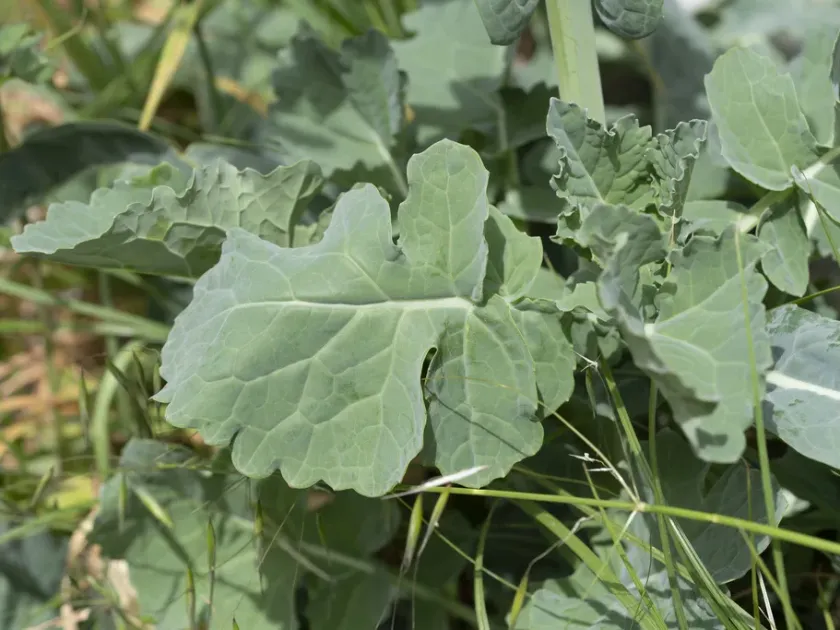
Description
Sowing dates
Red cabbage is a biennial herbaceous plant belonging to the Brassicaceae family. During its first year, the crop develops a dense head, while in the second year, it produces a flowering stem with seeds.
For early production, seeds are sown in greenhouses or indoors from late February to early March. For late-season crops, direct seeding or transplanting in April is common, depending on the specific climatic zone.
Transplanting occurs when seedlings have 4–5 true leaves, typically 45–50 days after sowing. Proper spacing, usually 60x60 cm, is essential to ensure adequate air circulation and prevent the development of diseases.
This variety differs from white cabbage through its higher anthocyanin content, which gives the leaves their characteristic purple color. These pigments act as powerful antioxidants, making the cabbage highly nutritious.
Growth stages include vegetative development, followed by the formation of a tight head. The total growing season varies from 100 to 160 days depending on the variety and the environmental conditions.
Growing requirements
Red cabbage is cold-hardy, with seeds germinating at temperatures as low as +3 °C. The ideal temperature range for head development is between +15 °C and +20 °C, and mature plants can withstand light frosts.
The crop thrives in fertile, well-draining loamy soils with a pH between 6.5 and 7.5. Acidic soils require lime application to prevent clubroot, a serious fungal disease that affects root development.
Sunlight is critical for the crop, as shade causes leggy growth and loose, poor-quality heads. Full sun exposure throughout the day is recommended for maximizing head density and overall yield.
Consistent water supply is necessary, especially during the head-filling stage. Drought stress can lead to splitting or woody textures, while waterlogged soil often results in root rot and poor plant health.
Fertilization with balanced NPK levels is required. Micronutrients like boron and molybdenum are often overlooked but are essential for preventing physiological disorders in the core of the cabbage head.
Yield
The average yield for red cabbage typically ranges from 40 to 80 tonnes per hectare, depending on soil quality, hybrid performance, and the level of agricultural management provided throughout the season.
Late-maturing varieties generally offer the highest yields and superior storage capacity. Early varieties are favored for quick market turnover but are not suited for long-term storage due to their structure.
Plant population density significantly impacts the size and weight of individual heads. While higher densities increase total yield, they may lead to smaller head sizes, which need to be balanced for market demands.
Red cabbage is consumed fresh in salads, pickled, or cooked. Its vibrant color and nutritional profile make it a sought-after vegetable for both gourmet culinary uses and healthy dietary planning.
Implementing regular weed control in the early growth stages is crucial for optimal yield. Mulching is an effective method to retain soil moisture and reduce the competitive pressure from weeds.
Main diseases and pests
Key pests include cabbage loopers, aphids, diamondback moths, and cabbage worms. These insects can devastate crops by consuming leaves and facilitating the entry of secondary pathogens.
Diseases such as clubroot, black rot, and various bacterial soft rots pose significant risks. Maintaining a strict crop rotation cycle of at least 4 years is vital for preventing soil-borne infection buildup.
Integrated Pest Management (IPM) should be applied, combining biological controls and selective insecticides. Early detection through field scouting is the most effective way to prevent widespread outbreaks.
Environmental factors like excessive rain increase the risk of fungal diseases. Good field drainage and proper spacing are fundamental strategies to lower humidity levels around the cabbage heads.
Removing and destroying infected plant debris immediately after harvest helps reduce the population of pests and pathogens, protecting the fields for future planting cycles.
Harvesting
Harvesting is done when the heads reach their maximum density and size. It is best to harvest on a dry day to prevent rot and to ensure the longevity of the produce during storage.
When cutting, it is common to leave 2–3 outer leaves as a protective layer for the head. This layer helps prevent bruising and dehydration, maintaining freshness during transport and storage.
For storage, red cabbage requires a cool environment (0 to +1 °C) with high relative humidity (90–95%). Under these conditions, the cabbage can remain in good condition for up to 6 months.
Careful handling during the harvest process is mandatory. Red cabbage heads are susceptible to bruising, which can lead to rapid deterioration and quality loss if they are dropped or stacked too heavily.
Sorting before storage is essential. Only firm, healthy, and disease-free heads should be selected for long-term storage, while damaged ones should be used immediately or sold for fresh market processing.