
Napa cabbage
Brassica rapa L. subsp. pekinensis (Lour.) Hanelt
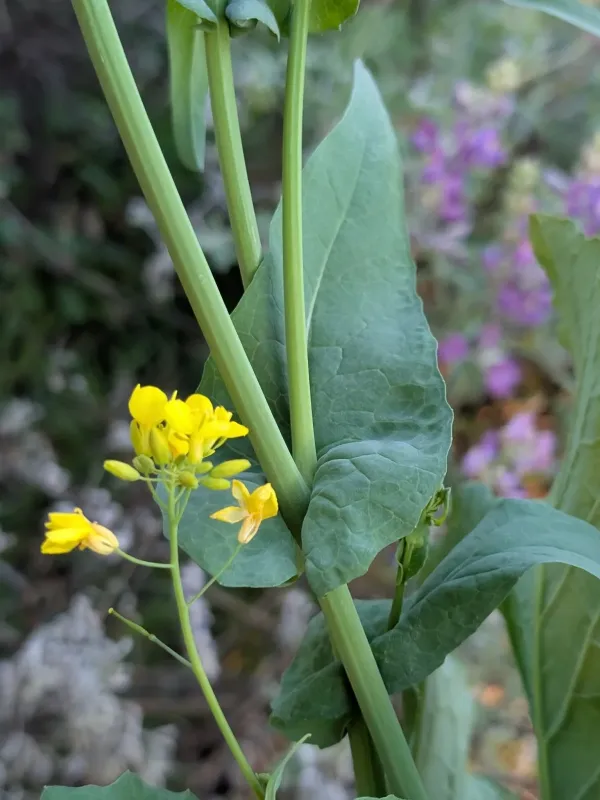
Description
Sowing dates
Napa cabbage is a long-day crop that tends to bolt prematurely if exposed to excessive daylight. The best sowing periods are early spring or late summer when the daylight hours decrease to a more moderate duration.
For spring cultivation, seeds are sown in the open field once the soil reaches a temperature of +10 to +12 degrees Celsius. Using seedlings started 20-25 days prior can significantly speed up the harvest time.
Sowing in mid-to-late July helps the crop avoid the peak summer heat and high intensity of solar radiation. Seeds should be planted at a depth of 1-1.5 cm to ensure uniform germination and strong early root development.
Succession planting is recommended every 10–14 days to maintain a continuous supply of fresh produce throughout the season. Selecting bolting-resistant hybrids is essential for spring production cycles.
The spacing depends on the specific variety, typically requiring 30-35 cm between plants in a row and 45-50 cm between rows. Proper spacing ensures adequate airflow, which is critical for preventing fungal diseases.
Growing requirements
Napa cabbage thrives in fertile, well-drained loamy soils with a neutral or slightly acidic pH level (6.0–7.0). Excessively acidic soil often predisposes the plants to clubroot, a severe soil-borne disease.
Consistent moisture is vital for this crop, as irregular watering leads to stunted growth, loose heads, and bitter-tasting leaves. Drip irrigation is highly effective at maintaining steady moisture levels.
Optimal growth occurs at temperatures between +15 and +22 degrees Celsius. Prolonged exposure to temperatures below +10 degrees can act as a cold-stress trigger, causing the plant to bolt prematurely.
While the plants need plenty of sunlight during the rosette formation stage, shading is beneficial during hot weather to prevent excessive transpiration. This practice helps maintain the succulent quality of the leaves.
Frequent, shallow cultivation between rows is necessary to improve aeration and control weeds. Since the root system is shallow, care must be taken to avoid damaging the roots during the weeding process.
Yield
Yield capacity varies based on the hybrid and cultivation management, typically ranging from 5 to 10 kg per square meter. Adhering to professional agrotechnical standards ensures consistent output.
Commercial farming operations can achieve yields of 40-70 metric tons per hectare. Modern F1 hybrids are bred to produce dense, high-quality heads weighing between 1.5 and 2.5 kilograms each.
Proper nutrient management is key; nitrogen is essential during the vegetative stage for leaf production, while potassium supports head formation. Balanced fertilization improves both weight and shelf life.
Using certified F1 hybrid seeds provides a high level of uniformity and resilience against common regional pathogens. This investment in quality seed significantly stabilizes overall harvest returns.
Crop rotation is mandatory to maintain soil health; Napa cabbage should not follow other Brassica species. Tomatoes, potatoes, and legumes make excellent predecessors for this vegetable.
Main diseases and pests
The crucifer flea beetle is the primary threat to young seedlings, often causing severe damage in a short timeframe. Using floating row covers provides an effective physical barrier against this pest.
Cabbage root fly larvae can destroy the root system, causing the plant to wilt and die. Preventive soil treatments or spatial separation from other cole crops help mitigate this risk during the season.
Clubroot is a devastating fungal pathogen that causes root swelling and prevents nutrient uptake. Lime application to manage soil pH and strict sanitation of farming tools are the best prevention strategies.
Bacterial soft rot and vascular wilt are common during humid, hot conditions. These diseases manifest as blackened leaf veins and pungent odors, requiring the immediate removal of affected plants.
Aphids and cabbage worms (larvae of the white butterfly) damage leaves, reducing the plant's photosynthetic capacity. Integrated pest management, including biological controls, is highly recommended.
Harvesting
Harvesting begins when the heads reach the desired density and size. It is crucial to monitor the field closely, as delaying the harvest can lead to bolting or the leaves becoming overly fibrous.
For the best quality, harvesting should occur in the early morning when the plants are fully turgid. This helps the heads maintain their structure and freshness during the post-harvest period.
For short-term storage, remove outer damaged leaves and wrap the heads in plastic film. They should be kept at a temperature near 0 degrees Celsius to maximize the shelf life of the product.
Sorting by weight and appearance is necessary before shipping to retailers to ensure high customer satisfaction. Minimizing physical impacts during handling prevents post-harvest bruising.
When stored in professional cold chain environments with high humidity control, Napa cabbage can remain market-ready for up to 3 months, offering growers flexibility in supply timing.