

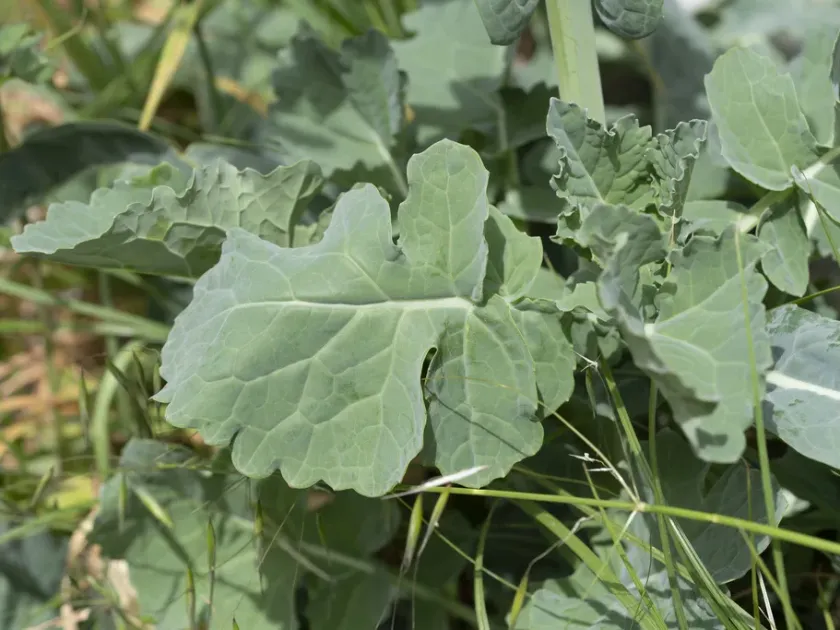
Description
Sowing dates
Cauliflower belongs to the Brassicaceae family and is a cool-season crop known for its edible inflorescence, commonly referred to as the "curd".
For early harvests, seeds should be started indoors in trays or greenhouses approximately 6 to 8 weeks before the anticipated transplanting date.
Transplanting occurs once the seedlings have developed 4 to 5 true leaves and the risk of severe frost has passed in the local region.
Succession planting is recommended to ensure a continuous supply of fresh vegetables, with new batches sown every few weeks throughout the growing season.
Proper spacing is crucial for development; plants should generally be spaced 45–60 cm apart in rows to allow sufficient airflow and sunlight penetration.
Growing requirements
Cauliflower is notoriously sensitive to environmental conditions, requiring consistent temperatures ideally between 15°C and 20°C for optimal growth.
The crop demands a nutrient-rich, well-draining soil with an ideal pH level between 6.5 and 7.5 to prevent nutrient deficiencies like boron deficiency.
Adequate moisture is essential; erratic watering patterns often lead to "buttoning" or premature curd formation, resulting in small, undersized heads.
Sunlight is necessary, but during hot spells, the curd must be shielded from direct UV exposure, often by tying the outer leaves over the center.
Regular fertilization with balanced nitrogen, phosphorus, and potassium is required throughout the vegetative phase to support large head development.
Yield
Yield potential depends heavily on the specific hybrid chosen, climate suitability, and the efficiency of the integrated pest management program.
In optimal agricultural conditions, cauliflower yields typically range from 20 to 40 metric tons per hectare depending on the density and cultivation intensity.
Modern commercial varieties are bred for uniformity, high curd density, and resistance to environmental stressors that cause curd discoloration.
Management of irrigation and soil structure are the most significant factors in maximizing the weight and quality of the final harvestable product.
Farmers aim for a harvest window where the heads maintain their compactness, which ensures better shelf life and marketability after the harvest.
Main diseases and pests
Cabbage root maggots are among the most destructive pests, causing significant damage to the root system and stunting the plant's overall growth.
Leaf-feeding insects, such as cabbage loopers and aphids, can severely reduce photosynthesis by damaging the foliage and attracting secondary infections.
Clubroot is a widespread soil-borne disease caused by a protist that results in swollen, distorted roots and poor water uptake by the plant.
Bacterial soft rot and black rot are significant threats in humid conditions, often causing the curd to decay rapidly before it can be harvested.
Integrated pest management, including crop rotation of at least three years, is essential to minimize the buildup of soil-borne pathogens and insects.
Harvesting
Harvesting is performed manually when the heads have reached the desired size and remain dense and firm without any signs of separating florets.
It is vital to check the fields daily as the crop approaches maturity, as heads can deteriorate quickly if left in the field during warm conditions.
The heads are cut with a sharp knife, retaining a few jacket leaves around the curd to provide protection against bruising during transit to the market.
Post-harvest handling requires rapid cooling to remove field heat, which significantly extends the storage life and maintains nutritional quality.
Proper cold chain management ensures the cauliflower stays fresh, crisp, and free from browning or bacterial degradation for a longer period.
Content graph
Connections · Cauliflower
Most often together:
Marketplace