
Kale
Brassica oleracea L. (Cabbage Group)
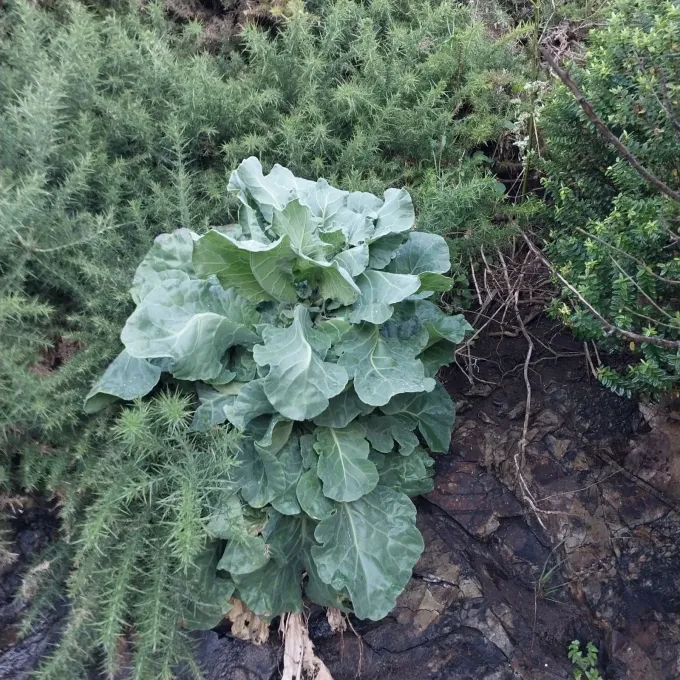
Description
Sowing dates
Kale (Brassica oleracea L.) is a cool-season crop that thrives in early spring when soil temperatures reach 5–8°C. For optimal results, seeds can be sown directly into the soil or started in trays 30–40 days before the intended transplanting date to ensure a vigorous start.
In regions with mild climates, kale can be sown in late summer or even fall to take advantage of cooler temperatures, which often improve the flavor of the leaves. While the plant prefers long daylight hours during its active growth phase, it should be protected from intense heat to prevent bolting.
The planting pattern usually requires 40–50 cm between rows and about 30 cm between plants within a row to ensure adequate air circulation. This spacing is critical to prevent the development of moisture-related diseases while providing enough space for the plant to develop a large foliage mass.
When sowing directly, seeds should be covered with 1–1.5 cm of soil and kept consistently moist until germination occurs. Using an agricultural fleece or a thin layer of mulch can help maintain soil moisture levels and protect delicate sprouts from extreme environmental conditions.
In greenhouse conditions, kale can be grown year-round with supplemental lighting. This allows for a continuous harvest of fresh leaves, which is highly valued for its marketability and nutritional profile in commercial vegetable production systems.
Growing requirements
Kale performs best in fertile, loamy soils with a pH between 6.0 and 7.0. Because the crop is a heavy feeder, incorporating well-rotted compost or organic fertilizers into the soil before planting is essential for building a strong foundation for leaf production.
An ideal growth temperature range is 15–20°C, though kale is remarkably frost-tolerant and can survive temperatures as low as -5°C. Cold spells actually trigger the production of sugars in the leaves, which significantly enhances the flavor and makes the crop more desirable for harvest.
Regular irrigation is vital for growing succulent, high-quality leaves; drought stress will lead to tough foliage and a bitter taste. However, waterlogging should be avoided, as it can lead to root rot and other physiological disorders, especially in poorly drained soil types.
Nitrogen-rich fertilizers are recommended during the early vegetative stage to promote lush leaf growth, followed by potassium and phosphorus applications to support overall plant health. This balanced nutritional program is necessary to achieve high yields and maximize the vitamin content of the greens.
The site selection should prioritize open, well-lit areas to prevent stem elongation and foliage yellowing. Proper light exposure is crucial for photosynthesis and ensures that the plant develops a dense, healthy rosette of leaves suitable for immediate consumption or sale.
Yield
Yield potential for kale is quite high, often ranging from 20 to 40 tonnes per hectare under optimal management practices. The harvest method, which involves picking individual leaves while allowing the plant to continue growing, contributes significantly to the total output per season.
Because kale is a "cut-and-come-again" vegetable, it provides multiple harvests over several months. By harvesting only the lower leaves as they mature, the plant is encouraged to continue producing new foliage from its central apical meristem, maximizing efficiency.
Drip irrigation systems are highly effective in kale production, as they deliver water and nutrients directly to the root zone, minimizing waste and promoting rapid growth. This technology is instrumental in shortening the interval between harvests in commercial settings.
Selecting appropriate cultivars—whether compact varieties for dense planting or tall, robust hybrids for high-volume harvest—is key to managing yield expectations. Growers should choose varieties that are specifically bred for the environmental conditions and market demands of their region.
Consistent weeding and shallow cultivation between rows are necessary to maintain optimal growth rates. Keeping the area free from competing weeds allows the kale to utilize all available soil nutrients and water, directly impacting the final yield and quality of the leaf crop.
Main diseases and pests
The most common pests affecting kale include flea beetles, cabbage moths, and aphids. Flea beetles are particularly damaging during the seedling stage, as they can cause extensive damage to young leaves very quickly, often requiring early monitoring and intervention.
Clubroot, alternaria leaf spot, and black leg are significant diseases that can impact kale crops. Clubroot is especially persistent, as the pathogen survives in the soil for years, necessitating strict crop rotation schedules to keep the infestation levels low and the ground productive.
Bacterial soft rot can occur under conditions of high humidity and heat, destroying leaf tissues rapidly. To minimize this risk, growers should ensure good ventilation within the canopy and remove any infected plant parts immediately to prevent the spread of the pathogen throughout the field.
Biological control methods, such as the use of pheromone traps or introducing beneficial predatory insects, can effectively manage pest populations. Covering crops with fine mesh netting can also serve as a physical barrier against common insect pests without the need for chemical spraying.
Sanitation practices, such as removing crop debris at the end of the season, are essential for disease prevention. Maintaining healthy soil through proper rotation and avoiding over-fertilization also contributes to a stronger, more disease-resistant crop that can better withstand common environmental threats.
Harvesting
Harvesting usually begins 60–80 days after sowing when the leaves are fully developed but still tender. The common approach is to harvest the oldest leaves from the base of the plant, which encourages the plant to continue developing new, fresh leaves from the center.
The best time to harvest is in the cool of the morning, when leaves are turgid and crisp. After collection, keeping the leaves in a cool, shaded environment is necessary to prevent wilting and maintain the quality of the greens before they reach the consumer or storage facility.
In commercial operations, whole-rosette harvesting might be employed depending on the market demand and the specific variety grown. This method is often more efficient for large-scale operations that supply processing facilities or bulk retail markets where uniform produce is required.
For storage, kale should be kept in cold rooms at a temperature of 2–4°C. Under these conditions, the leaves can remain fresh and crisp for 7–10 days, provided the humidity is kept high to prevent moisture loss and ensure the product remains at its peak nutritional value.
Proper post-harvest handling is critical, including cleaning off any soil particles and sorting the leaves to remove damaged or discolored specimens. High-quality packaging that allows for some air exchange will further extend the shelf life and ensure the kale arrives in prime condition.