
Kale
Brassica oleracea L. (Thousand Head Kale Group)
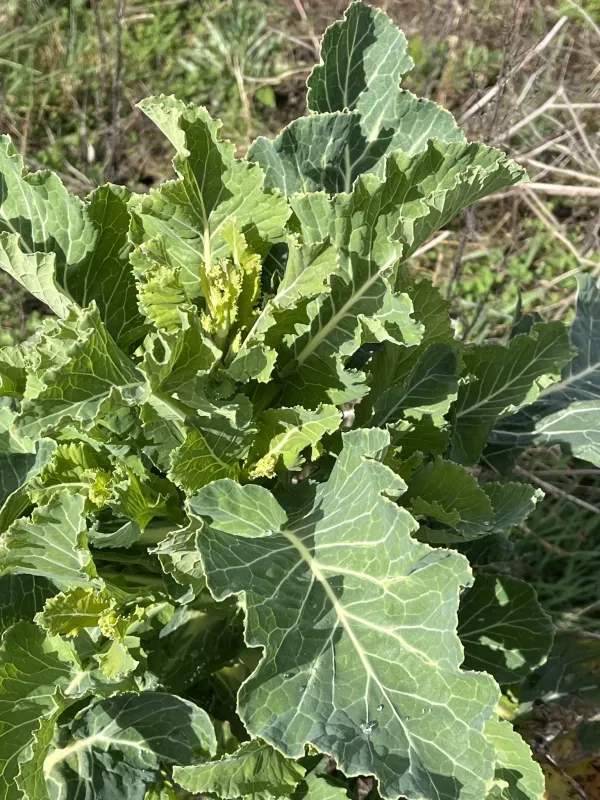
Description
Sowing dates
Kale (Brassica oleracea L. var. acephala) is a hardy leafy green vegetable belonging to the Brassicaceae family. Unlike head-forming cabbage, it produces loose, nutritious leaves that grow in a rosette pattern.
Direct seeding in the field is usually done in early spring as soon as the soil can be worked. Alternatively, starting seeds indoors 4-6 weeks before the last frost date allows for an earlier harvest, especially in colder climates.
The seeds should be sown at a depth of 1-2 cm. Optimal spacing is crucial for leaf development; plants should be thinned to a distance of 30-45 cm between each other to ensure sufficient airflow and nutrient uptake.
Kale is remarkably adaptable and can be sown in late summer for a bountiful autumn harvest. It is a preferred crop for growers looking to maximize production in diverse weather conditions.
Germination typically occurs within 5-10 days under temperatures ranging from 15 to 20 degrees Celsius. Maintaining consistent soil moisture during this initial stage is vital for uniform plant establishment.
Growing requirements
Kale thrives in full sun but is one of the few leafy vegetables that can tolerate partial shade, making it versatile for various garden layouts. It prefers well-drained, fertile soil rich in organic matter.
The ideal soil pH for kale is between 6.0 and 7.5. Ensuring a neutral pH is important to prevent the occurrence of soil-borne diseases such as clubroot, which can devastate brassica crops.
Watering is a critical aspect of kale production. The crop requires steady moisture to prevent the leaves from becoming bitter and tough. Drip irrigation is highly recommended to keep the foliage dry, reducing the risk of fungal pathogens.
Fertilization with nitrogen is beneficial throughout the growing season to promote lush foliage development. Incorporating compost before planting provides a steady supply of nutrients, while side-dressing can be used later in the season.
Kale is famous for its exceptional cold tolerance. It can survive temperatures well below freezing, and many growers note that a light frost enhances the flavor by increasing the sugar content in the leaves.
Yield
Yield capacity for kale is high, especially when implementing a "cut-and-come-again" harvesting method. By removing only the outer leaves, the plant continues to produce fresh growth from the center.
Under professional management, one can expect several kilograms of edible foliage per square meter. The total yield depends heavily on soil fertility, water availability, and the specific variety chosen for the climate.
Regular cultivation between rows is recommended to manage weeds and improve soil aeration. This contributes to healthier root systems and increases the plant's overall vigor and resistance to stress.
Mulching with organic materials helps retain soil moisture and prevents weeds. This practice is particularly effective in warmer regions to keep the root zone cool during peak summer heat.
Proper harvest intervals allow for multiple pickings over several months. As the plants mature, they can reach a height of 50-80 cm, continuing to yield until the plant eventually bolts or enters the winter dormant phase.
Main diseases and pests
Flea beetles are the most common pest during the seedling stage. These small insects can puncture leaves, significantly impacting early growth, so early protection is necessary.
Caterpillars, particularly those of the cabbage white butterfly and cabbage looper, pose a constant threat. Regular scouting is essential to identify eggs or larval damage before they cause widespread leaf destruction.
Clubroot is a serious fungal threat characterized by gnarled roots and stunted growth. It is best managed through strict crop rotation, ensuring that kale and other brassicas are not planted in the same soil for at least four years.
Aphids can colonize the underside of leaves, causing curling and stress. While minor infestations can be managed with water sprays, significant outbreaks may require selective biological or chemical controls.
Downy mildew and other leaf spots can occur if foliage remains damp for extended periods. Promoting good spacing and airflow is the most effective preventative measure against these diseases.
Harvesting
Harvesting kale begins once the leaves reach a mature size, usually 60-80 days after sowing. The lower, outer leaves are gathered first, leaving the apical meristem to continue growth.
For culinary purposes, leaves are best harvested early in the morning when their water content and crispness are at their peak. Immediate cooling after harvest extends the product's shelf life significantly.
In large-scale production, mechanical harvesting might involve cutting the entire plant once it reaches a certain biomass threshold. This is common for processing crops or bulk vegetable supplies.
Kale storage requires high humidity and low temperatures. When properly handled and stored in a cold chain, the product remains fresh for up to two weeks, maintaining its nutritional profile.
Care should be taken during transportation to avoid bruising or crushing the foliage. High-quality kale should have firm leaves with vibrant color and show no signs of yellowing or wilting.