
Kale
Brassica oleracea L. (Curly kale Group)
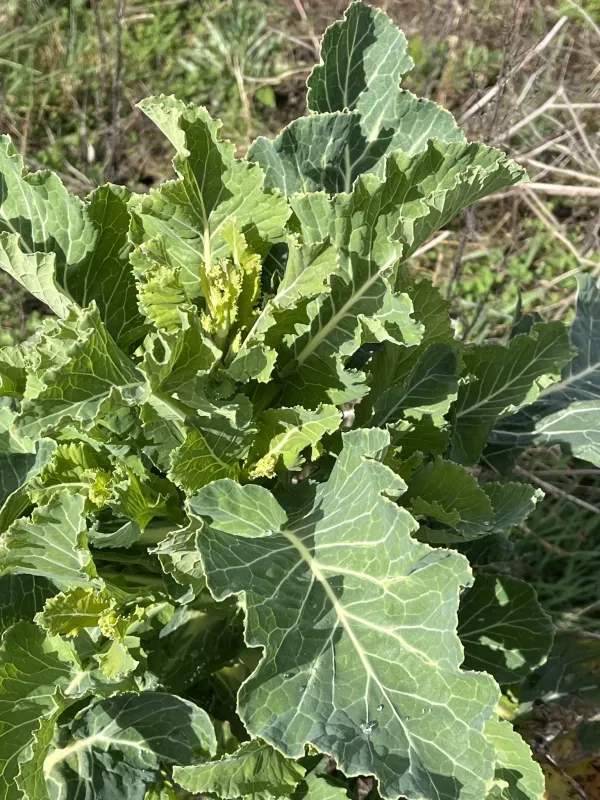
Description
Sowing dates
Kale can be grown either by direct seeding in the garden or starting seeds indoors for transplanting. In temperate climates, sowing seeds indoors usually begins in March, allowing for healthy seedlings to be ready for the outdoors after 45 to 60 days.
For a late summer or fall harvest, direct sowing in the garden is recommended during the second half of June. Proper spacing is essential; plants should be spaced at least 30–40 cm apart with rows 50–60 cm wide to ensure adequate development.
Kale seeds germinate rapidly in soil temperatures above 10 °C. The recommended planting depth is 1.5 to 2 cm, ensuring the seeds are well-covered to maintain consistent moisture during the germination period.
Crop rotation is vital for success; kale should not be planted where other cruciferous vegetables were previously grown to minimize soil-borne pathogens. Following legumes or nightshades is considered an excellent practice.
Successive planting is a common strategy for kale growers. By sowing new batches of seeds every two to three weeks, gardeners can ensure a continuous supply of fresh, tender leaves throughout the entire growing season.
Growing requirements
As a member of the Brassicaceae family, kale (Brassica oleracea L. (Curly kale Group)) thrives in sunny locations. While it can tolerate partial shade, full sun promotes the most vibrant color and high nutrient density in the leaves.
Kale requires fertile, well-draining soil with a neutral to slightly alkaline pH. Regular watering is crucial; moisture stress can cause the leaves to become tough and bitter, significantly reducing their culinary quality.
One of kale's most impressive traits is its cold hardiness. The plant can easily withstand frost down to -10 °C or even lower, and many gardeners believe that a touch of frost makes the leaves taste sweeter and more flavorful.
During the vegetative stage, kale benefits from regular nitrogen-rich fertilization to encourage lush leaf production. As the plant matures, a balanced NPK fertilizer helps maintain the integrity of the foliage.
Optimal temperatures for kale are between 15 °C and 20 °C. While the plant can handle heat, temperatures consistently above 25 °C may lead to stunted growth and a decline in leaf quality, making irrigation even more important.
Yield
Yield capacity for kale is high when managed correctly. With regular harvesting of individual leaves, a gardener can expect to harvest between 3 and 5 kilograms of fresh greens per square meter throughout the season.
Because kale is a regenerative crop, removing the lower leaves allows the central stalk to continue producing new foliage. This "cut-and-come-again" method can extend the harvest period for several months.
In a commercial setting, high-performance hybrids can yield upwards of 30 to 40 tons per hectare. Weed control and consistent moisture are the most significant factors in maximizing these commercial outputs.
Using mulch in the garden helps maintain soil moisture and regulates soil temperature, which significantly contributes to higher yields and cleaner leaf quality, as it prevents soil splash during rain.
Total yield is also influenced by the variety chosen; dwarf varieties are better suited for tight spaces, while tall varieties provide a more substantial volume of leaves over a longer harvest window.
Main diseases and pests
Cruciferous flea beetles are the most frequent threat, especially to young seedlings. They can quickly riddle young leaves with holes, so protective floating row covers are often advised during the establishment phase.
Cabbage worms and loopers can also cause significant damage by consuming leaf tissue. Regular inspection of the underside of leaves for eggs or larvae is a proactive step in managing these populations.
Clubroot, a serious soil-borne disease, can cause stunted, yellowing plants and swollen roots. It thrives in acidic and waterlogged soils, making lime application and strict crop rotation essential preventive measures.
Powdery mildew and downy mildew can become an issue in crowded plantings with poor airflow. Maintaining proper spacing and ensuring the foliage remains dry as much as possible helps mitigate these risks.
Damping-off is a common issue for seedlings. Using sterile seed-starting mix and avoiding overwatering will prevent most seedling losses due to fungal pathogens in the early growth stages.
Harvesting
Harvesting usually begins 60 to 90 days after sowing. The best practice is to harvest the lower, more mature leaves first, which allows the younger, inner leaves to continue growing throughout the season.
Once harvested, kale leaves should be kept in a cool environment, as they lose turgor very quickly at room temperature. For optimal quality, store them in a refrigerator at approximately 0 °C to 2 °C.
Care should be taken to avoid letting leaves become too large or tough, as they become less palatable for salads. Medium-sized leaves are generally considered the peak for both raw and cooked preparations.
The final, full harvest often takes place in late autumn before the ground freezes solid. These late-season leaves are often the most flavorful due to the accumulation of sugars following cool weather.
For long-term storage, kale can be blanched and frozen. This process preserves the essential vitamins and minerals, making it an excellent way to enjoy the vegetable long after the growing season has ended.