
Ceylon houndstongue
Cynoglossum zeylanicum
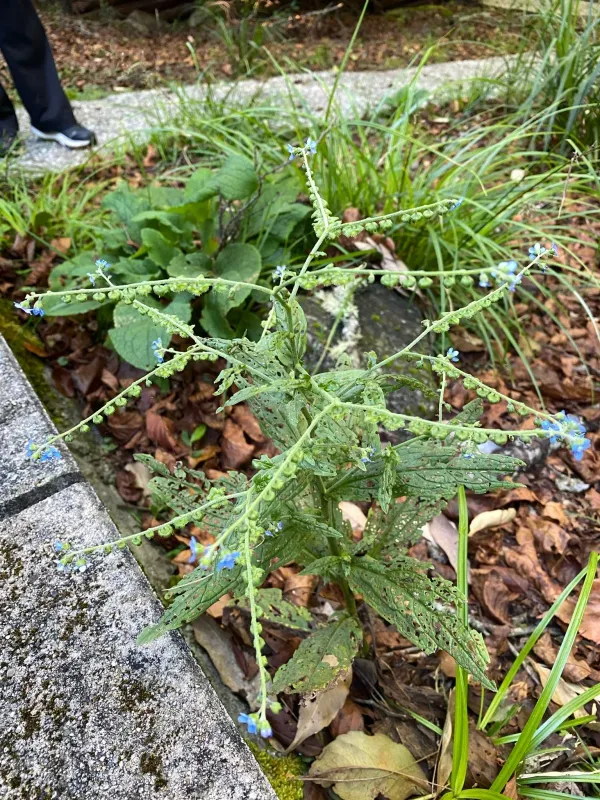
Description
Sowing dates
Ceylon houndstongue (Cynoglossum zeylanicum) is a member of the Boraginaceae family. In agricultural settings, it is valued for its unique growth patterns and is often cultivated as an annual or biennial crop depending on local ecological conditions.
Sowing in open fields should take place in spring once the soil temperature is consistently above 10 degrees Celsius. Providing a moist, well-prepared seedbed is crucial for high germination rates during the early vegetative stage.
Seeds are typically sown in rows with a spacing of 30–40 centimeters to facilitate mechanical weeding and ensure proper air circulation. A sowing depth of 1–2 centimeters is optimal for this species to ensure successful emergence.
Thinning of seedlings is recommended when the plants reach the 2–3 leaf stage. Maintaining a distance of 15–20 centimeters between plants promotes uniform development and minimizes competition for soil nutrients.
For regions with shorter growing seasons, starting the crop in greenhouse trays is an effective method to accelerate growth. Transplanting can occur once the danger of frost has passed completely.
Growing requirements
The crop thrives in sunny locations with light, well-draining soils. While it can adapt to various soil types, loamy soils rich in organic matter provide the best environment for reaching its full yield potential.
Proper drainage is essential because Cynoglossum zeylanicum is highly sensitive to waterlogging. In clay-heavy soils, integrating sand or creating raised beds is a standard practice to prevent root asphyxiation.
Water requirements remain moderate throughout the growing season. While the plant is somewhat drought-tolerant, consistent moisture availability during the blooming phase is necessary for optimal quality of the plant mass.
Light intensity plays a significant role in plant development. Excessive shade can lead to etiolated, weak stems and significantly lower the concentration of biologically active compounds within the tissues.
Fertilization regimes should focus on nitrogen applications during the early leaf-growth phase, followed by phosphorus and potassium to support blooming and overall plant robustness.
Main diseases and pests
Fungal diseases, including powdery mildew and leaf spot, are the most frequent threats. These issues typically emerge in high-humidity conditions with poor airflow, making plant spacing a key management factor.
Aphids often target the soft, growing parts of the plant, causing curled leaves and stunted growth. Integrated Pest Management (IPM) strategies, including the use of natural predators, are recommended.
Root rot, often caused by Phytophthora or Pythium species, occurs when soil moisture is poorly managed. Prevention relies on sound crop rotation and avoiding the use of contaminated field areas.
Slugs and snails can cause damage to young foliage during wet weather. Regular monitoring and the placement of physical barriers can help mitigate these losses without broad-spectrum chemical interventions.
Prompt removal of infected plant residues at the end of the harvest is vital for preventing the carry-over of pathogens into the following growing season.