
Ceballosia fruticosa
Ceballosia fruticosa
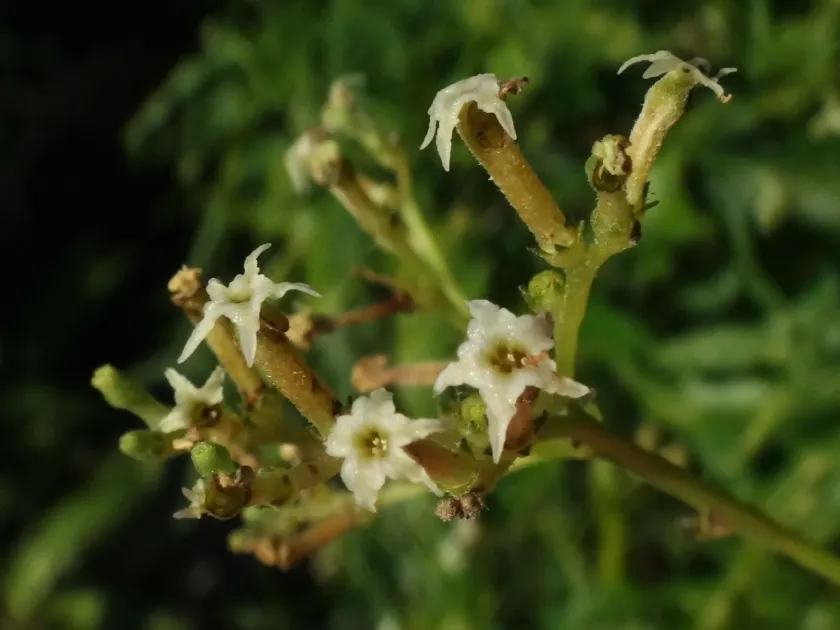
Description
Sowing dates
Ceballosia fruticosa is a distinct shrub species within the Boraginaceae family. Propagation is primarily achieved through seeds, although professional nurseries often utilize stem cuttings to maintain specific phenotypic traits and ensure uniform growth rates across the plantation.
The sowing process is typically timed with the onset of favorable moisture conditions, which mimic the natural germination cycle. In controlled environments, providing a stable temperature of at least 22 degrees Celsius is essential for optimal seed emergence.
Seeds should be sown in a well-aerated, sandy-loam substrate. It is important to maintain consistent moisture levels without saturating the medium to prevent pre-emergence damping-off, a common issue in propagation.
Seedlings require sufficient space for root development. Transplanting should occur once the root system is well-established, usually after the development of several true leaves, to prevent transplant shock.
Proper sanitation of tools and substrate is crucial during the early stages of cultivation, as young Ceballosia plants are susceptible to various soil-borne pathogens if grown in unsterilized conditions.
Growing requirements
The species demands high light intensity throughout the growing season to maintain its shrubby architecture. Without adequate sunlight, the plants tend to become spindly and suffer from reduced physiological vigor.
Soil quality is paramount; the plant thrives in soils with excellent permeability and drainage. Heavy, water-logged soils are detrimental, leading to rapid root decay and stunted growth in mature specimens.
Temperature management is critical, as Ceballosia fruticosa has no tolerance for frost. It requires a stable, warm climate year-round to avoid leaf drop or cold-induced damage to its vascular tissues.
Watering strategies should focus on keeping the root zone slightly moist but not wet. Allowing the top layer of the soil to dry out between watering cycles helps in maintaining a healthy balance for the plant's metabolic processes.
Nutrient requirements are met through a balanced NPK fertilizer program applied during the peak growing phase. Micronutrient deficiencies, particularly iron or magnesium, can cause chlorosis, which should be monitored closely.
Main diseases and pests
Pest pressure from scale insects and mealybugs constitutes a significant risk to the plant's health. These pests colonize stems and leaves, extracting nutrients and often leading to secondary sooty mold infections.
Fungal leaf spots are frequently observed in high-humidity conditions where airflow is insufficient. Improving plant spacing and canopy management is the most effective cultural method for mitigation.
Root rot caused by Phytophthora species is a major threat linked to poor soil drainage. Once an infection is established, recovery is rare, making prevention via proper watering routines essential.
Spider mites can rapidly infest plants during hot and dry periods, causing severe tissue damage. Regular inspection of the underside of leaves is necessary to detect early stages of infestation.
Integrated pest management (IPM) practices, including the removal of infested plant parts and the application of organic-based control agents, are recommended to protect the crop without harming the local environment.