
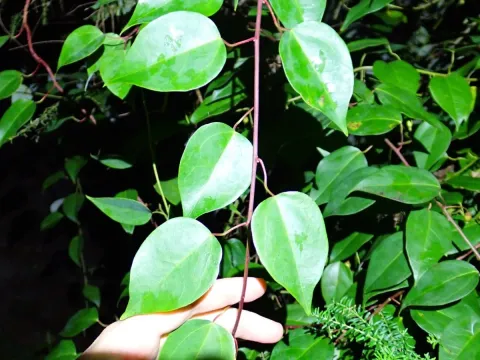
Berberidopsis
Berberidopsis
Berberidopsis is a genus of evergreen woody vines, representing the sole member of the Berberidopsidaceae family. Native to the temperate rainforests of Chile and eastern Australia, this plant is known for its distinct botanical characteristics.
What the section contains


Berberidopsis
The culture thrives in mild, humid maritime climates and struggles with extreme temperature fluctuations. Optimal cultivation requires protection from direct scorching sunlight and consistent high humidity levels to mimic its natural forest habitat.
Soil requirements focus on humus-rich, loose, and well-draining substrates with acidic to neutral pH levels. The plant is highly sensitive to waterlogged conditions, making effective drainage a fundamental necessity for its health and longevity.
In ornamental horticulture, Berberidopsis is prized for its leathery leaves with spiny margins and striking clusters of red or pink flowers. As a vigorous climber, it requires sturdy supports to facilitate its vertical growth in garden settings.
Due to its narrow natural distribution and specific ecological demands, the plant has no agricultural or industrial use. It is primarily found in specialized botanical gardens, conservatories, and private collections dedicated to rare exotic flora.
The primary threat to the health of the plant is root rot, caused by poor soil aeration and water stagnation. Maintaining a proper watering regimen is critical to prevent the development of these fungal pathogens in the root zone.
Common pests that may affect Berberidopsis include spider mites and scale insects, which are typical for greenhouse-grown exotics. Management involves regular monitoring of the foliage and the application of appropriate biological control measures when necessary.