
Coral plant
Berberidopsis corallina
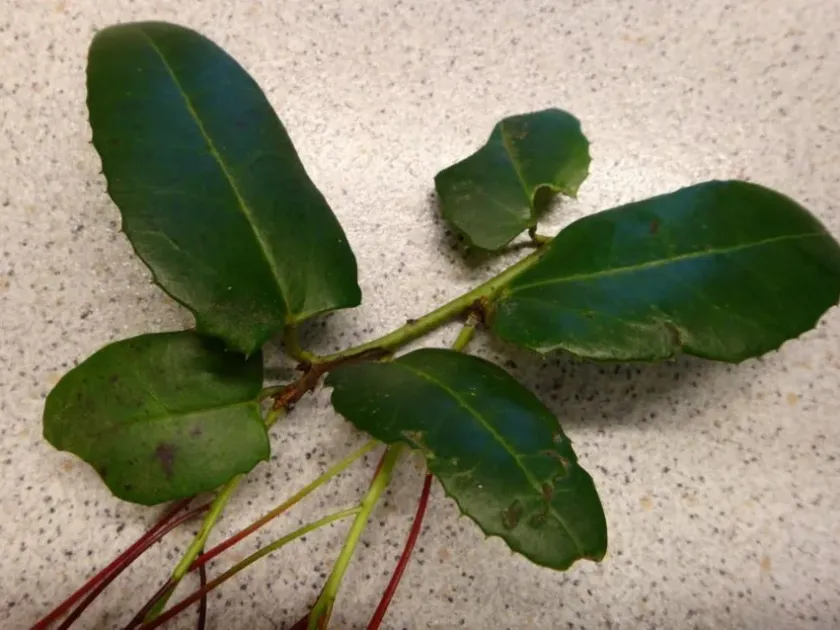
Description
Growing requirements
Berberidopsis corallina, commonly known as the coral plant, is a rare woody evergreen climber belonging to the family Berberidopsidaceae. It is native to the temperate rainforests of central Chile, where it thrives in cool, humid conditions.
The plant requires a sheltered location protected from strong winds and intense midday sun. It is strictly recommended for temperate climates where temperatures do not drop significantly below freezing, often necessitating greenhouse protection.
Optimal soil conditions include rich, well-draining, and acidic soil. The plant is intolerant of waterlogging, so incorporating organic matter like leaf mold or peat is highly beneficial for healthy root development.
As a climbing plant, Berberidopsis corallina requires sturdy support structures such as trellises or wires to display its distinctive, pendulous clusters of bright coral-red flowers effectively.
Regular maintenance involves keeping the soil consistently moist but never soggy. Using soft, lime-free water is essential, as the plant shows high sensitivity to alkalinity in both the substrate and irrigation water.
Main diseases and pests
The most significant threat to the health of the coral plant is root rot, which typically occurs due to poor soil drainage or excessive irrigation during cooler periods.
In indoor or greenhouse environments, the plant is susceptible to common pests such as aphids, mealybugs, and spider mites, which can quickly colonize the leaves.
Nutritional deficiencies, specifically iron chlorosis, can occur if the pH level of the soil rises above neutral, preventing the plant from absorbing necessary micronutrients.
Maintaining good air circulation is crucial to prevent the development of powdery mildew and other fungal pathogens on the dense, leathery foliage.
Preventative measures include periodic inspection of stems and leaves, along with maintaining clean growing conditions to minimize the risk of pest and disease outbreaks.