
Skeleton flower
Diphylleia grayi
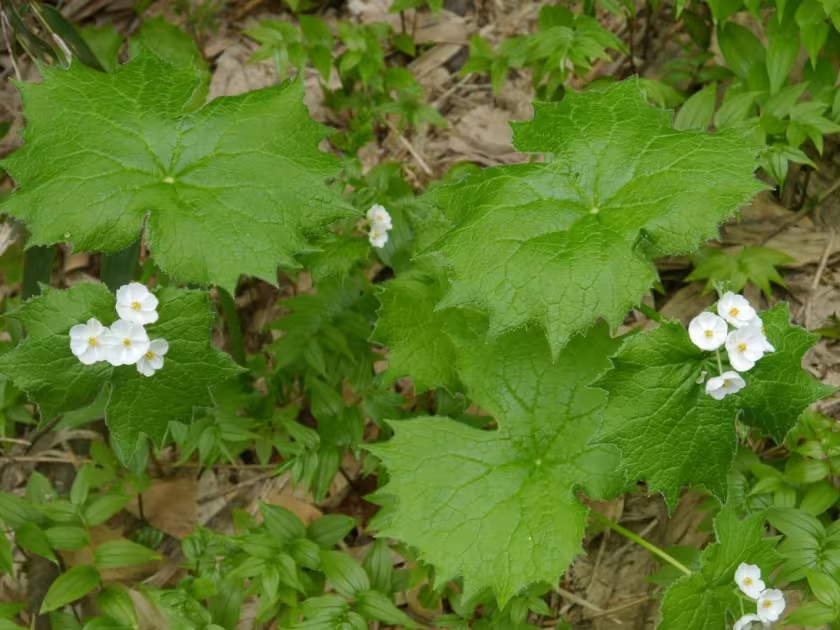
Description
Sowing dates
The propagation of Diphylleia grayi is most successfully achieved through the division of mature rhizomes during the dormant phase of the plant cycle.
The ideal period for division is in early spring before new growth appears or in the autumn once the foliage has naturally begun to yellow and wither.
Seed propagation is a viable but challenging method, as the seeds require a period of cold stratification to break dormancy effectively before germination.
Fresh seeds should be sown immediately after harvest to maintain viability, as the hard seed coat can become problematic if allowed to dry out completely.
Seedlings exhibit slow growth rates, and it may take several seasons for the plants to reach sufficient maturity to display their characteristic white flowers.
Growing requirements
Diphylleia grayi, a member of the Berberidaceae family, thrives in woodland environments characterized by consistent moisture and significant shade.
It is essential to plant this species in areas that receive filtered sunlight or deep shade, protecting the delicate leaves from harsh direct solar radiation.
The soil should be nutrient-rich, moist, and well-draining, with a high concentration of leaf mold or decomposed organic matter to mimic forest conditions.
Consistent moisture is the primary requirement for successful cultivation, as the plant lacks drought tolerance and will suffer if the substrate dries out.
This perennial is remarkably hardy in cold climates but benefits from a thick layer of mulch in winter to protect the rhizomes from rapid temperature fluctuations.
Main diseases and pests
Gastropods, particularly slugs and snails, represent the most significant pest pressure, as they are drawn to the soft, succulent foliage of the plant.
Excessive soil moisture coupled with poor drainage can quickly lead to rhizome rot, a lethal condition that is difficult to treat once firmly established.
Fungal infections, such as leaf spot or grey mold, may develop during periods of high humidity and stagnant air, requiring prompt sanitation of the area.
Physical barriers like coarse sand or specialized slug pellets can be employed around the crown of the plant to deter ground-dwelling pests effectively.
Maintaining a clean garden bed by removing old debris helps to reduce the habitat for pathogens and pests, ensuring healthier plant development over time.