
Forage chicory
Cichorium intybus L. (Forage Chicory Group)
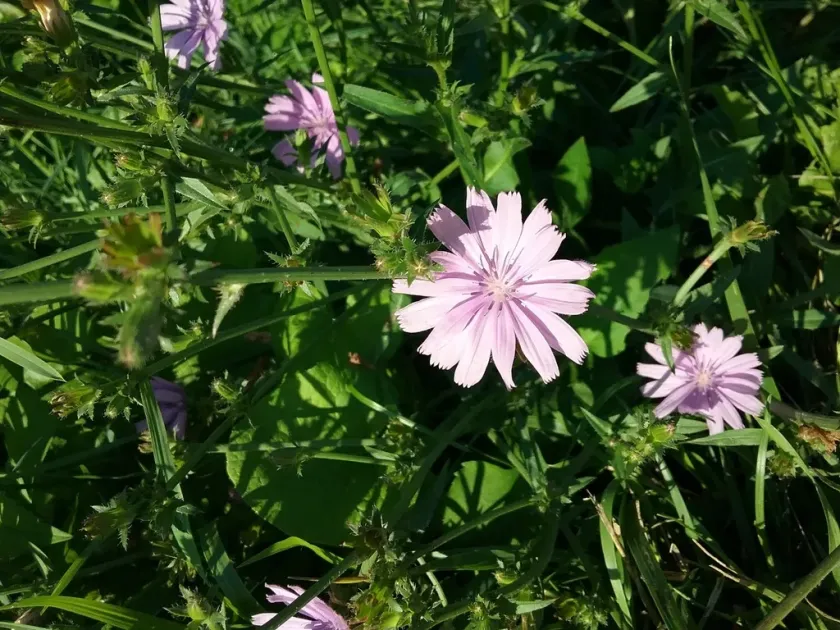
Description
Sowing dates
Forage chicory (Cichorium intybus L.) is a versatile perennial herbaceous plant belonging to the Asteraceae family. Originally from the Mediterranean region, it has been widely adopted in temperate climates globally as a high-value fodder crop.
The optimal time for sowing is during the spring when soil temperatures reach approximately 8–10 degrees Celsius. Early spring planting ensures the crop establishes a strong root system before the onset of summer heat.
Summer planting is also viable in areas with consistent rainfall, provided the seedlings can establish before the onset of autumn frost. Late autumn seeding is generally avoided as it often leads to poor overwintering success.
Seeds should be sown at a shallow depth of 1–2 cm. Achieving good soil-to-seed contact via rolling is essential to ensure uniform germination, especially in lighter or drier soil types.
Because chicory exhibits slow initial growth, maintaining a weed-free field during the early establishment phase is crucial. Producers should prioritize effective weed control strategies until the canopy closes.
Growing requirements
Forage chicory is highly esteemed for its drought tolerance, which is attributed to its deep taproot system. This biological feature allows the plant to access moisture and nutrients that are unavailable to shallower-rooted grasses.
While adaptable, the plant thrives best in deep, fertile loam soils with a neutral pH. It performs poorly in heavy, waterlogged clays where the risk of root rot increases significantly due to poor drainage.
Chicory demonstrates excellent cold tolerance, allowing it to survive through winter in many temperate regions. However, it requires well-drained soils to prevent the freezing of standing water around the crown, which can damage the plant.
To maximize yields, moderate application of phosphorus and potassium fertilizers is recommended. While nitrogen promotes leafy growth, it should be balanced to ensure the plant maintains its longevity and resistance to stress.
This crop is sun-loving and does not perform well in shaded environments. When planting in pasture mixtures, ensure that companion grasses or legumes do not grow aggressively enough to shade out the chicory.
Yield
Yield potential of forage chicory is significantly influenced by soil fertility and management practices. In intensive farming systems, producers can achieve up to 40–60 tonnes of fresh biomass per hectare annually.
The plant is highly regenerative, allowing for 3–4 cuttings or intensive rotational grazing cycles per season. This continuous production makes it an excellent feed source for cattle, sheep, and deer during the summer months.
Chicory is rich in minerals and highly digestible, making it a superior choice for improving livestock daily weight gain and overall health. Its nutritional profile complements standard pasture grasses effectively.
Integrating chicory into legume-based pastures enhances the overall feed quality. Such diverse mixtures help balance the protein-to-sugar ratio, which is beneficial for the digestive efficiency of ruminant animals.
A well-maintained chicory stand can be productive for 4–6 years. Over time, its productivity may decline, signaling the need for reseeding or soil improvement measures to sustain high output.
Main diseases and pests
While generally hardy, forage chicory can be susceptible to powdery mildew, particularly in conditions with high humidity and poor airflow. Managing plant density and ensuring proper drainage are effective preventative measures.
Root rot is a major threat in fields with standing water. Selecting sites with excellent drainage is the most reliable way to mitigate this risk and ensure the long-term health of the crop.
Pests like wireworms can damage the roots of younger plants, causing thinning of the stand. Using treated seeds or systemic insecticides during the planting phase is standard practice to protect against these soil-borne threats.
Aphids and various leaf-feeding insects may become an issue during dry, hot weather. Regular field scouting is necessary to determine if intervention is needed to protect the biomass from significant damage.
Integrated pest management, including crop rotation and the maintenance of vigorous stands through proper nutrition, significantly reduces the dependency on synthetic pesticides for chicory cultivation.
Harvesting
Harvesting forage chicory involves either mechanical cutting for silage/haylage or implementing a rotational grazing system. These methods allow farmers to preserve the nutrient content for peak usage periods.
A cutting height of 5–7 cm is recommended. Cutting too low can damage the crown and inhibit the plant's ability to regrow, which can significantly reduce future yields and stand longevity.
When grazing, it is vital to avoid overgrazing. Providing a rest period for the chicory stand after each grazing event is critical for the plant to replenish its root reserves and recover adequately.
The peak nutritional value of chicory occurs at the early budding stage, before the development of woody flower stems. Harvesting at this time ensures high-quality feed that is readily consumed by livestock.
If ensiling, quick processing is essential as the high-moisture content of the green material requires thorough compaction to exclude oxygen. Proper storage techniques will ensure the forage remains stable and nutritious.