
Woolly Angelica
Angelica tomentosa
Description
Growing requirements
Woolly Angelica (Angelica tomentosa) is a perennial herb belonging to the Apiaceae family. It is native to the western parts of North America, typically inhabiting moist, open meadows and mountainous terrain with adequate moisture levels.
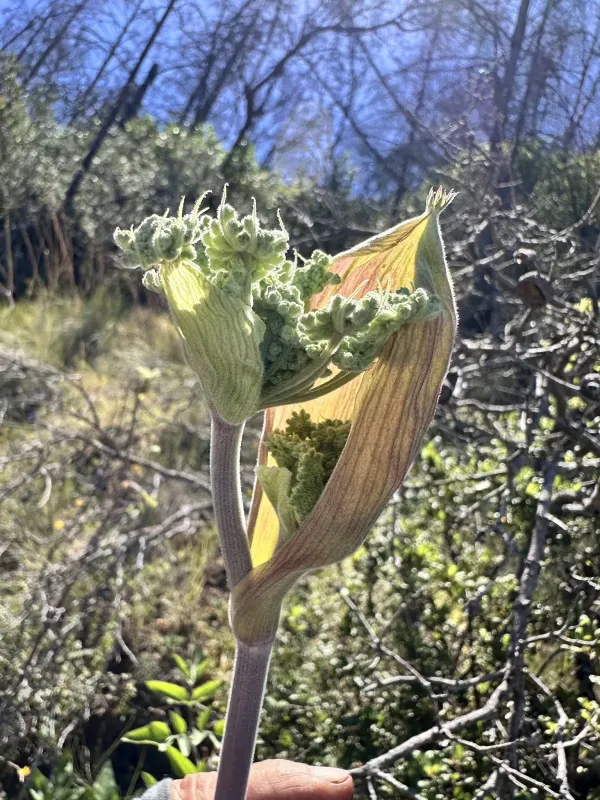
The plant is distinguished by its robust stature and large, bipinnate leaves that exhibit a distinct, soft hairiness, giving them a felt-like appearance. It produces impressive clusters of white flowers held in compound umbels, typical for its family.
To successfully cultivate this crop, one must prioritize rich, well-draining soil. High organic content and a neutral pH balance are ideal conditions that promote healthy development of the primary taproot and overall biomass.
This species requires consistent moisture levels during the growing season. While it thrives in partial to full sun, it is essential to ensure that the soil does not dry out completely during the peak summer heat to maintain optimal growth rates.
Agricultural management should focus on soil aeration and space between individual plants to prevent moisture-related stress and ensure that the root system has sufficient space to establish deep anchors.
Main diseases and pests
Woolly Angelica is susceptible to various pests common to the carrot family, including aphids, leaf miners, and specialized larvae that feed on foliage. Early detection is crucial to prevent significant structural damage to the stems.
Fungal diseases, such as powdery mildew or fungal leaf spots, may manifest if air circulation is insufficient. Overcrowded planting arrangements and poor ventilation are primary factors that exacerbate these conditions.
Root rot is a critical concern, particularly in heavier soil types that lack proper drainage. Once a plant is infected, recovery is rare, making prevention through soil modification and site selection the best line of defense.
Integrated pest management strategies are recommended, focusing on maintaining field hygiene and promoting biodiversity to encourage natural predators of common pests. Weeding is also essential to reduce competition for soil nutrients.
Regular inspection of the basal rosettes and flower stalks helps identify early signs of pathogen colonization or insect infestations, allowing for immediate intervention before the problem spreads across the planting plot.