
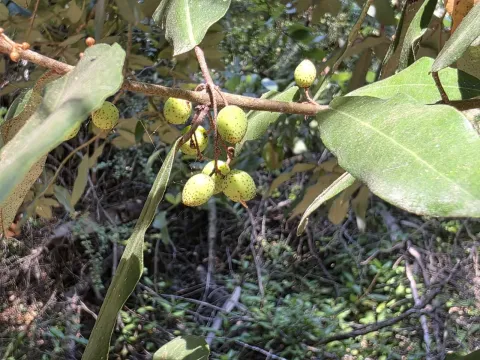
Aextoxicon
Aextoxicon
Aextoxicon, represented by the single species Aextoxicon punctatum, is an evergreen tree belonging to the family Aextoxicaceae. It is native to the temperate rainforests of central and southern Chile, where it thrives in specific ecological niches.
What the section contains

Aextoxicon
This species requires a temperate, humid climate with minimal seasonal temperature fluctuations. It is sensitive to frost and extreme drought, making its cultivation area highly specific to coastal or oceanic-influenced regions.
The tree prefers deep, fertile soils with excellent drainage and a high content of organic matter. It thrives in slightly acidic soil conditions common in forest ecosystems with high precipitation levels.
Regarding agrotechnology, Aextoxicon is characterized by slow initial growth, which requires patience and careful site preparation. Providing adequate shelter from strong winds is crucial during the juvenile stage of the plant.
The plant exhibits high tolerance to shade, enabling it to survive under the dense canopy of native forests. Successful cultivation depends on mimicking these natural forest conditions during the early years of development.
Aextoxicon is relatively resistant to major agricultural pests due to its specific chemical composition and natural environment. However, it can be susceptible to wood-boring insects if the trees are stressed by drought or poor soil management.
Fungal diseases related to excessive humidity and stagnant air can affect young seedlings. Proper spacing and airflow in nurseries are essential to prevent the spread of soil-borne pathogens in the root zone.
Invasive plant species can pose a threat to young Aextoxicon saplings, competing for light and nutrients. Regular weeding and site clearing are necessary components of successful silvicultural management.
Climatic changes, specifically the reduction of annual rainfall, act as a major threat to the survival of natural stands. Maintaining soil moisture is the primary challenge for long-term tree health.
Local herbivores may graze on young shoots, which can significantly damage growth progress. Fencing and protective measures are often required in reforestation projects to ensure the survival of the species.