
Aextoxicon punctatum
Aextoxicon punctatum
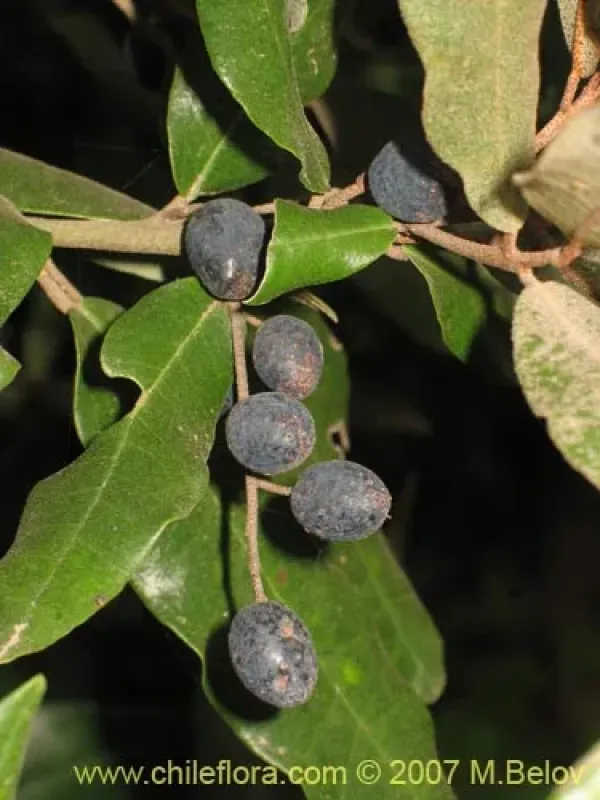
Description
Growing requirements
Aextoxicon punctatum, commonly known as olivillo, is the sole member of the Aextoxicaceae family. It is a prominent evergreen tree species native to the temperate rainforests of Chile and parts of Argentina.
The tree requires a specific habitat characterized by deep, moisture-retentive soils with high organic matter content. It thrives in temperate maritime climates where temperatures remain moderate throughout the year.
Water availability is essential for this species, as it is native to regions with high annual precipitation levels. It shows a preference for protected areas that shield it from extreme winds and frost.
Botanically, Aextoxicon punctatum is recognized for its dense, dark green foliage and slow growth rate. It is a long-lived species that contributes significantly to the structural complexity of its native forest ecosystem.
In terms of economic utility, its timber is highly valued for its hardness and durability. It is frequently harvested for high-quality woodwork, furniture manufacturing, and specialized construction applications.
Main diseases and pests
The health of Aextoxicon punctatum can be compromised by various fungal pathogens that thrive in high-humidity environments. Root rot remains the most common threat when drainage is inadequate.
Boring insects represent a significant concern for forestry managers, as they attack the trunk, potentially reducing the quality of the harvested wood. Early detection is vital for plantation management.
Environmental stressors such as drought or prolonged heatwaves can significantly weaken the trees, making them more susceptible to insect infestations and disease outbreaks.
Effective management includes regular monitoring of forest stands and prompt removal of diseased or heavily infested individuals to prevent the spread of pests.
While leaf-eating insects are generally considered minor threats, they can cause growth suppression in young seedlings and saplings during critical establishment phases.