
Jujube
Ziziphus jujuba Mill.
Description
Growing requirements
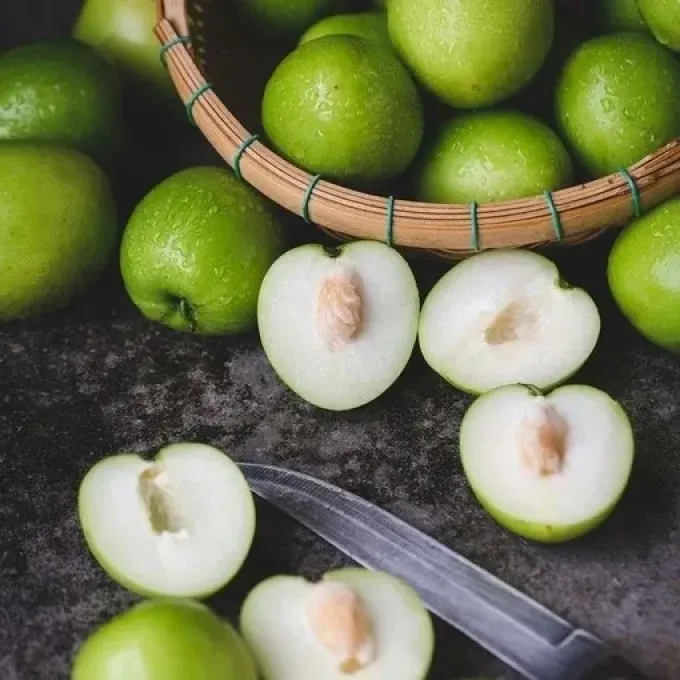
Ziziphus jujuba Mill., commonly known as the jujube or Chinese date, is a deciduous tree belonging to the Rhamnaceae family. It originates from regions in China and has been cultivated for thousands of years for its nutritious fruits and medicinal properties.
The jujube is a highly adaptable plant that thrives in regions with hot, dry summers and long growing seasons. It is remarkably heat-tolerant and can endure significant temperature fluctuations, with mature trees displaying cold hardiness down to approximately -20 degrees Celsius depending on the cultivar.
Soil requirements for the jujube are quite flexible compared to other fruit trees. It prefers well-drained, slightly alkaline or neutral soils, but it can successfully establish itself in poor, rocky, or sandy substrates where other fruit species would fail due to nutrient deficiency or poor soil structure.
Proper orchard management involves structured pruning to maintain an open canopy, which promotes better air circulation and sunlight penetration. This practice is essential for ensuring high-quality fruit production and facilitating easier harvesting, especially for thornless varieties of the species.
Economically, the jujube is highly versatile, with fruits utilized fresh, dried, or processed into preserves, teas, and confectionery. Beyond the fruit, the wood is valued for its durability and fine grain, while the leaves are sometimes used as forage or in traditional preparations.
Main diseases and pests
One of the significant advantages of the jujube is its low susceptibility to pests and diseases, which makes it an excellent candidate for sustainable or organic production systems. Infestations of spider mites can occur during prolonged periods of excessive heat, causing premature foliage drop.
Fungal issues, such as fruit rot, may occasionally arise in areas with high humidity or rainfall during the ripening phase. Maintaining proper sanitation by removing fallen leaves and damaged fruits, combined with optimal tree spacing, effectively prevents most pathogen outbreaks without chemical intervention.