
Jujube
Ziziphus jujuba Mill. var. inermis (Bunge) Rehder
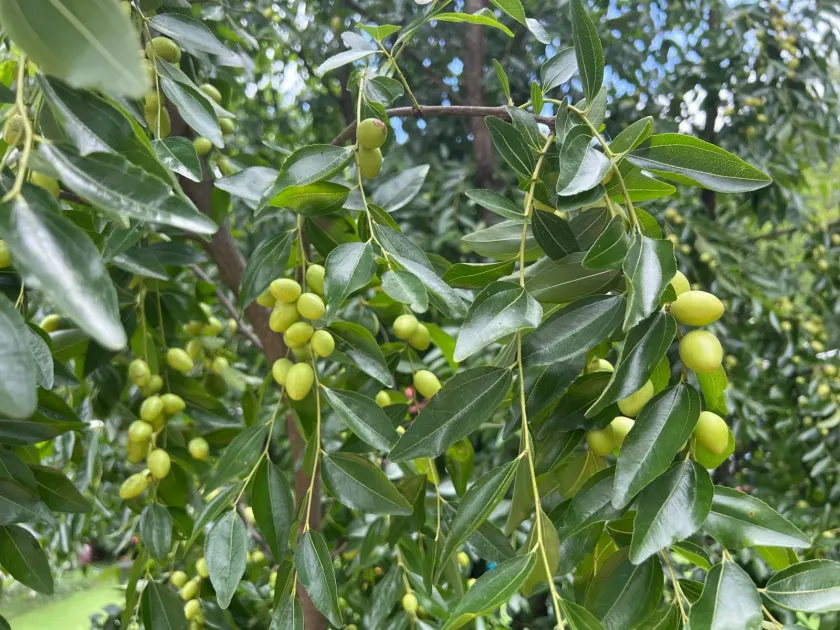
Description
Sowing dates
Jujube (Ziziphus jujuba), also known as the Chinese date, belongs to the Rhamnaceae family. Propagation is primarily vegetative through root cuttings or grafting to ensure that the offspring retain the superior characteristics of the parent plant.
Saplings with a closed root system can be planted throughout the growing season, but the most favorable times are early spring before the sap begins to flow or autumn, a month before the first frost.
Choosing the right location is vital for success. Jujube trees are sun-loving and require full exposure to direct sunlight to ensure proper wood maturity and fruit development.
Spacing between trees is essential to allow for canopy growth and light penetration. It is recommended to plant them at intervals of 4 to 5 meters to facilitate management and harvesting.
Preparation of the planting site includes digging a 60x60 cm pit and incorporating organic fertilizers mixed with local soil to provide essential nutrients for the early stages of tree development.
Growing requirements
The jujube is exceptionally drought-tolerant once established due to its extensive root system. However, for maximum productivity, consistent watering is required, especially during the flowering and fruit-setting stages.
This species is highly adaptable to various soil types, but it thrives best in light, well-drained loamy or sandy soils with a neutral or slightly alkaline pH level.
Jujube trees can endure temperatures as low as -25 degrees Celsius. However, young trees may be susceptible to cold damage and should be protected during the first two winters of their life.
Climate is the most critical factor for fruit maturation. These trees require a long, hot summer with a significant accumulation of active heat units to produce high-quality, sweet fruits.
Regular pruning is necessary to maintain an open canopy. By removing inner branches, you improve air circulation and sunlight exposure, which significantly increases the quality and size of the harvest.
Yield
Jujube is a precocious tree, often bearing fruit within 2 to 3 years after planting. Full productive capacity is typically reached around the age of 5 to 7 years.
A mature tree can yield between 30 and 60 kilograms of fruit per season. These fruits are highly valued for their sweet, apple-like taste and their dense, nutrient-rich flesh.
Uses include eating fresh, drying, or processing into jams, candies, and traditional herbal teas. The fruit is widely recognized for its health benefits, including stress reduction and improved sleep.
The plant is known for its relatively stable annual yields, meaning that with proper irrigation and minimal nutritional support, it rarely experiences "off-years" in production.
Its high sugar content and unique phytonutrient profile make it an excellent choice for both commercial orchards and backyard home gardening in appropriate climates.
Main diseases and pests
One of the jujube's greatest advantages is its natural resistance to diseases. Due to its unique chemical composition, it is rarely bothered by common fruit tree fungal infections.
Rodents are the most significant threat to young trees, as they can girdle the trunks during the winter. Using tree guards or protective netting is highly recommended for young plants.
Pest issues such as the jujube fruit fly can occur in some regions. Preventive measures include cleaning up fallen fruit regularly to disrupt the life cycle of the pest.
Care must be taken to ensure the soil at the base of the trunk remains well-drained. Excessive standing water can lead to root rot if the soil structure does not allow for proper oxygenation.
Overall, the jujube requires fewer pesticides than most other orchard fruits, making it a perfect candidate for organic farming and sustainable orchard management practices.
Harvesting
Harvesting jujube is a gradual process. Because fruits on the same tree do not ripen simultaneously, multiple picks throughout the autumn season are usually necessary.
The best indicator of maturity is the color shift. Fruits destined for fresh consumption should be harvested when they turn from green to a deep mahogany or reddish-brown.
For drying purposes, fruits can be harvested at a slightly earlier stage of maturity when they are firm and beginning to show brown spotting. These firm fruits store much better.
Since many cultivars feature sharp thorns, harvesters should wear protective clothing and gloves to prevent injury. Careful handling ensures that both the fruit and the tree branches remain undamaged.
Post-harvest, the fruit should be stored in a cool, well-ventilated area to maintain freshness, or immediately processed into dried products to extend shelf life for year-round use.