
Lycium dasystemum
Lycium dasystemum Pojark.
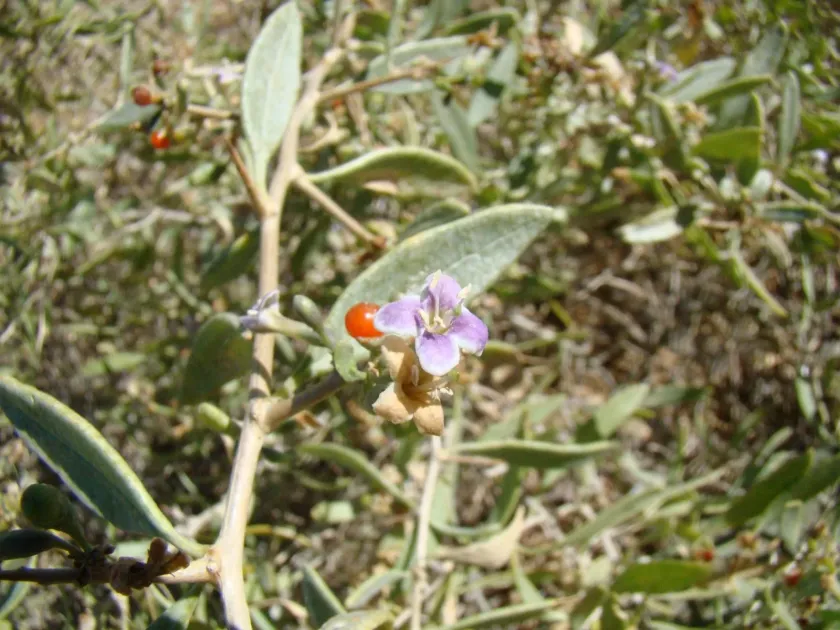
Description
Sowing dates
Lycium dasystemum belongs to the Solanaceae family and is known for its resilience. Sowing is typically performed in spring once the soil temperature consistently reaches 15–18 degrees Celsius, ensuring optimal germination conditions.
Seeds should be pre-treated to break dormancy and enhance germination rates. Soaking in growth stimulants is highly recommended before placing them into the substrate to ensure uniform growth.
Seedlings are usually raised in protected environments, such as greenhouses, starting in March. The seeds should be planted shallowly, at a depth of no more than 1 cm, to prevent exhaustion of the embryo.
Transplanting into the permanent field site occurs once the risk of spring frost has completely passed. Proper spacing is essential, with recommended intervals of 1.5 to 2 meters between individual bushes.
Early stage management focuses on weed suppression and maintaining moderate soil moisture, which are critical for the establishment of a robust root system during the first growing season.
Growing requirements
This species is highly photophilous and requires full sun exposure to maintain optimal physiological activity. Shade significantly reduces fruit set and overall plant vitality.
While adaptable to various soil types, the plant thrives in well-drained, sandy loam soils. It shows a clear preference for neutral to slightly alkaline pH environments.
One of the most notable features of Lycium dasystemum is its exceptional drought tolerance, making it an ideal candidate for soil stabilization and reclamation in arid climates.
Irrigation is vital during the initial establishment period; however, mature plants are capable of extracting water from deep soil layers, effectively surviving with minimal additional watering.
Soil aeration is a critical factor for success. Waterlogging must be strictly avoided, as stagnant moisture significantly increases the probability of fungal infections in the root zone.
Yield
The plant typically enters the reproductive phase within 2 to 3 years after planting. Yield potential increases as the bush architecture matures and the root system stabilizes.
The berries constitute the primary economic output. These fruits are valued for their nutrient-dense profile, containing high concentrations of antioxidants, vitamins, and minerals.
Consistent pruning practices are essential to optimize yields. By removing old wood and encouraging new lateral growth, farmers can significantly increase the density of fruit-bearing branches.
Average yield figures for mature, well-managed bushes range from 2 to 5 kg of berries per season, depending on the specific microclimate and the implemented fertilization program.
Harvesting strategies are based on the progressive ripening of berries. Since the fruits do not mature simultaneously, multiple picking sessions are required to capture maximum yield.
Main diseases and pests
Aphids represent the most common threat to the crop, primarily targeting new growth and foliage. Their presence can stunt development and diminish photosynthetic efficiency.
Spider mites can become problematic during hot, dry weather conditions. Regular inspection and maintaining appropriate humidity levels near the foliage can mitigate the risk of infestation.
Powdery mildew is the most frequent fungal disease, often occurring in dense plantings with poor airflow. Maintaining proper plant distance and regular thinning are effective control measures.
Root rot is a result of poor drainage or over-irrigation. Proper soil selection and moisture management are the best preventative strategies against these soil-borne pathogens.
Integrated pest management, including the use of biological control agents and timely sanitary pruning, remains the most sustainable way to protect the crop throughout the season.
Harvesting
Harvesting requires specific attention due to the presence of sharp thorns on the branches. Wearing protective gloves is essential for workers to avoid physical injury during manual collection.
Berries are delicate and prone to bruising, which necessitates careful handling during transport. Using shallow crates helps maintain the integrity of the harvested fruit.
Post-harvest processing involves immediate drying to preserve quality. Drying should occur in clean, shaded areas or industrial dehydrators at temperatures not exceeding 50 degrees Celsius.
Once dried, the berries are shelf-stable and can be packaged for long-term storage, retaining their nutritional profile for extended periods if kept in cool, dry conditions.
Annual maintenance, including the removal of dead or crossing branches in late autumn, is essential for improving next season's productivity and overall plant health.