
Chinese wolfberry
Lycium chinense Mill.
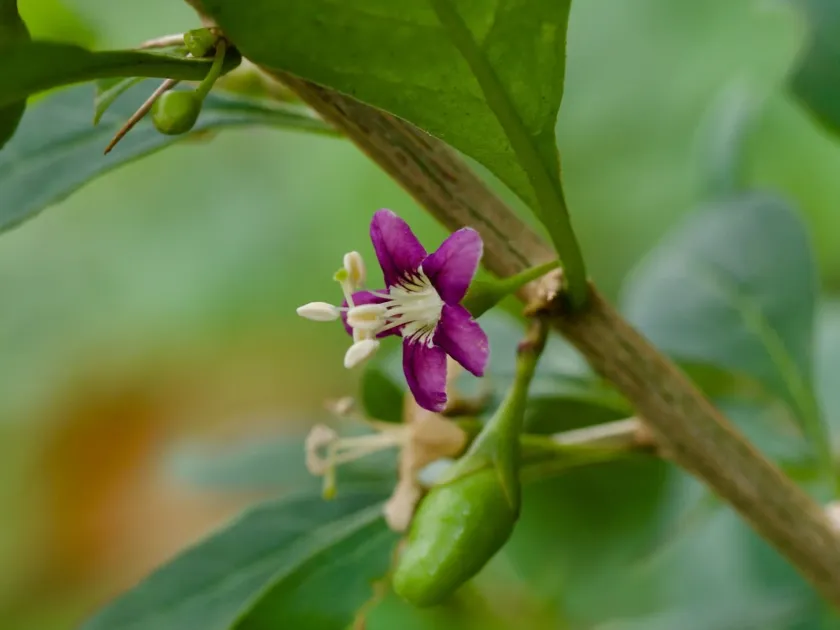
Description
Sowing dates
The cultivation of Chinese wolfberry typically begins with seed stratification for 1-2 months to ensure optimal germination rates. Sowing is best performed in early spring in controlled nursery environments before transplanting the young seedlings outdoors.
Direct sowing into the field is possible once the soil temperature consistently reaches 15-18°C. Seeds should be planted at a shallow depth of approximately 0.5-1 cm to facilitate easy emergence while preventing the seedlings from exhausting their energy reserves.
Vegetative propagation is widely practiced in professional agriculture to maintain clonal uniformity. Semi-hardwood cuttings taken during the summer months allow for rapid multiplication and establishment of robust plants that retain the superior traits of the parent stock.
Proper field layout is essential, with spacing between plants maintained at 1.5 to 2 meters. This distance prevents overcrowding, improves light penetration, and facilitates the use of mechanical equipment for maintenance and harvesting throughout the growing season.
At the time of transplanting, it is crucial to position the root crown level with the soil surface to prevent rot. A generous initial watering helps settle the soil around the roots, ensuring rapid adaptation to the new planting site.
Growing requirements
Chinese wolfberry belongs to the Solanaceae family and is known for its remarkable adaptability to various environments. The plant thrives in full sun, which is critical for maximizing both the quantity and the nutritional quality of the fruit produced.
While the crop is not overly demanding regarding soil type, it performs best in well-drained loam or sandy soil with a neutral to slightly alkaline pH. Drainage is of paramount importance as waterlogged soils frequently lead to root failure and poor growth.
The plant demonstrates significant drought tolerance once established, yet regular irrigation is required during the phases of active shoot growth and fruit set. Maintaining consistent moisture levels is a key factor in maximizing potential yields.
Temperature tolerance is a hallmark of this species, allowing it to survive cool winters. In regions with harsh freezing conditions, however, young plants may require protective measures to prevent frost damage to the terminal buds and younger wood.
Annual pruning is a cornerstone of wolfberry management. Systematic removal of dead, damaged, or excess growth shapes the canopy into a manageable form, encourages new fruiting wood, and ensures the plant remains productive for many years.
Yield
Seedlings typically begin to bear fruit by their third or fourth year, while vegetatively propagated plants may start producing berries by their second year. Full commercial production is generally achieved after the plant reaches five to seven years of age.
Under optimal management conditions, a mature plant can produce between 2 and 5 kilograms of berries per season. Yield is highly correlated with solar exposure, effective canopy management, and a balanced nutrition program during the flowering stage.
The harvesting season is characteristically long, as fruit ripening occurs gradually across the bush. This extended harvest period requires multiple picking rounds to ensure that all fruit is collected at the peak of maturity for highest quality.
The berries are used extensively in the nutraceutical and food industries, valued for their polysaccharide content and antioxidants. This makes the Chinese wolfberry a high-value crop for sustainable agricultural enterprises focused on functional health foods.
An established wolfberry plantation can remain productive for 15 to 20 years. Strategic renewal of the plants at the end of this cycle helps maintain efficiency and ensures the continued profitability of the cultivation project.
Main diseases and pests
Powdery mildew is a common fungal threat to Chinese wolfberry, particularly in humid or overcrowded conditions. Preventative measures include maintaining proper plant spacing and applying fungicide treatments according to established agricultural safety standards.
Pests such as aphids and the Colorado potato beetle can cause significant damage to the foliage and impact plant vigor. Integrated pest management (IPM) strategies, including biological controls and targeted insecticide applications, are necessary for effective crop protection.
Spider mites can become problematic during hot, dry weather patterns. Regular scouting is recommended, and the application of acaricides is warranted when infestation thresholds are exceeded to protect the plant's photosynthetic capacity.
Root rot, driven by poor drainage, remains one of the primary non-infectious threats to the crop. Enhancing soil aeration and ensuring that irrigation management avoids standing water are critical steps in preventing soil-borne disease development.
Safe use of chemical protectants is mandatory. All treatments must be applied with strict adherence to pre-harvest intervals to ensure that the final fruit product meets safety regulations and consumer quality requirements.
Harvesting
Harvesting is labor-intensive, as the berries are highly delicate and prone to bruising if handled incorrectly. Hand-picking is the standard method, allowing harvesters to carefully select berries that have reached the perfect stage of ripeness.
After being picked, the berries must be processed promptly, as their shelf life in fresh condition is quite limited. Many farmers utilize onsite drying facilities to convert the crop into stable, marketable dried wolfberries immediately following harvest.
The drying process must be carefully controlled, using temperatures around 45-50°C to ensure the retention of bioactive compounds. Exposure to excessive heat can degrade the vitamins and antioxidants that define the market value of the product.
Transporting fresh berries requires specialized ventilated containers to maintain air circulation. Due to the rapid degradation of fresh fruit, most commercial operations focus on dried or processed product lines rather than fresh market distribution.
Final storage of the dried product requires a cool, dry environment protected from light to maintain shelf life. When vacuum-packed or stored in airtight containers, high-quality wolfberries can remain shelf-stable for up to 18 months.