
Goji berry
Lycium barbarum L.
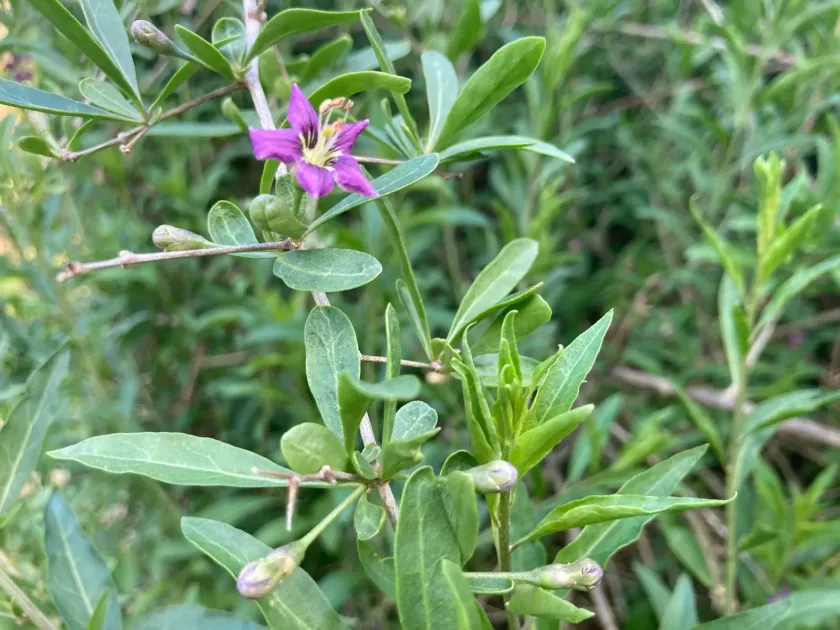
Description
Sowing dates
The propagation of Lycium barbarum L., a member of the Solanaceae family, is commonly achieved through vegetative methods or seedling production. Seeds are sown in a prepared substrate in late winter, requiring consistent warmth around 20–22 degrees Celsius.
Outdoor sowing is performed after the risk of frost has passed, usually during May. Seeds benefit from a cold stratification process before planting to significantly enhance germination rates across the plot.
Vegetative propagation via stem cuttings is the preferred method for commercial plantations as it ensures the uniformity of the crop. Cuttings are harvested from well-matured shoots during the mid-summer period.
Transplanting seedlings to their final location is best handled in early spring or early autumn. Proper spacing is crucial, with row widths of 2 to 3 meters recommended to accommodate the plant's vigorous growth habit.
Growers should plan for root suckering, a common trait of this species. Effective boundary management is necessary to prevent the plant from aggressively spreading beyond the designated production area.
Growing requirements
Goji berry is a heliophilic plant, requiring full sun exposure to thrive. Sufficient light intensity is essential for promoting flower bud development and ensuring optimal fruit sugar content at harvest time.
The plant demonstrates high adaptability to various soil types but performs best in well-drained loamy or sandy soils with a neutral pH. Waterlogging must be strictly avoided to prevent root diseases.
Lycium barbarum exhibits remarkable drought tolerance, making it an excellent crop for arid or semi-arid regions. While it survives with minimal rainfall, supplemental irrigation during the flowering phase increases yield.
The ideal growing temperature range is between 20 and 30 degrees Celsius. The plant is cold-hardy, surviving in moderate climates, although younger plants may require protection during their first winter.
Nutrient management focusing on potassium and phosphorus supports fruit quality and plant longevity. Organic amendments should be applied periodically to maintain soil structure and vitality within the root zone.
Yield
Fruit production typically begins in the second or third year after planting. Maximum yield is usually achieved when the bushes reach 5 to 7 years of age, depending on the cultivar and local environmental conditions.
A single mature bush can produce several kilograms of dried fruit per season. Productivity is heavily dependent on pruning practices, which keep the canopy open and productive throughout the lifetime of the bush.
Market demand for goji berries is driven by their high antioxidant content and status as a superfood. Commercial operations prioritize the production of dried berries, powders, and high-value extracts for global markets.
Canopy management through annual pruning is necessary to prevent overcrowding and ensure accessibility for workers or harvesting machinery. This practice also helps in maintaining the plant's vigor.
Consistent agronomic care, including weed control and strategic fertilization, provides the foundation for stable, high-quality production across the entire life cycle of the plantation.
Main diseases and pests
Aphids are a significant threat to young shoots and leaves during the early spring growth phase. Effective control includes the use of soft soaps or biological agents to manage populations before they cause damage.
Powdery mildew often affects plants in regions with high humidity or poor air circulation within the canopy. Regular monitoring and strategic thinning of branches are essential for preventing widespread outbreaks.
Colorado potato beetles can occasionally attack goji bushes, given the botanical relationship with other Solanaceae crops. Vigilance and early detection of larvae are critical to prevent foliage destruction.
Root rot is typically linked to over-irrigation or poorly drained soil conditions. Maintaining healthy soil aeration and managing irrigation schedules are the primary defenses against these fungal pathogens.
- Aphids
- Powdery mildew
- Colorado potato beetle
- Root rot
Harvesting
The harvesting season for goji berries is extended, lasting from late summer until the first frosts. Berries should be harvested individually as they reach their final color maturity and optimal flavor profile.
Fruit tenderness requires gentle handling, as berries bruise easily and may oxidize rapidly if damaged. In large-scale operations, mechanical vibrating harvesters are increasingly used to improve efficiency.
Immediate post-harvest processing is vital to maintain quality. Fresh berries are highly perishable, necessitating rapid transport to drying facilities or processing units for further refinement.
Drying is the standard method for preserving the harvest. Berries are dried at controlled temperatures to retain their nutritional profile, resulting in a product with approximately 15% moisture content for storage.
Once dried, the berries are stored in sealed containers to protect them from humidity and contamination. Proper storage conditions ensure that the product maintains its color, texture, and bioactive properties for long-term supply.