
Mountain papaya
Carica pubescens Lenné & Koch
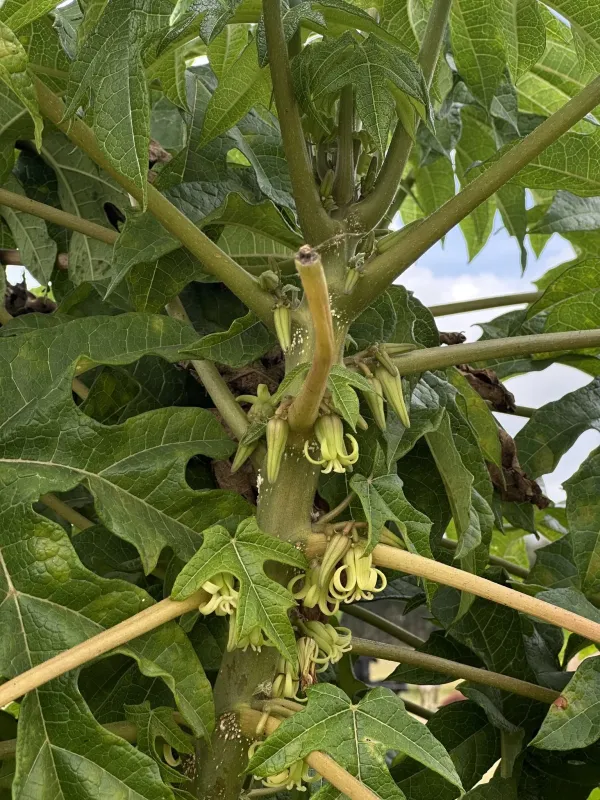
Description
Sowing dates
Mountain papaya (Carica pubescens), taxonomically reclassified as Vasconcellea pubescens, is typically propagated from seeds. The seeds should be planted in a well-draining, nutrient-rich potting medium during early spring.
Optimal germination occurs at soil temperatures around +20–22°C. Seeds should be sown at a depth of about 1 centimeter, ensuring the soil remains moist but not waterlogged.
Germination usually takes 3 to 6 weeks. Once the seedlings reach a height of 10–15 centimeters and develop true leaves, they can be transplanted into larger individual containers.
During the early growth stages, seedlings require bright, indirect light to prevent legginess and promote strong stem development.
Proper sanitation of tools and substrate is critical during sowing to prevent the development of damping-off fungi, which are common in young papaya plants.
Growing requirements
Originating from the high-altitude Andean regions, this plant thrives in cooler climates compared to the tropical papaya species. It prefers temperatures between +15°C and +22°C.
The plant is relatively hardy and can tolerate brief cold spells, though it should be protected from hard frost, which can damage its soft, fleshy stems.
Well-draining, loamy soil is essential for success. Mountain papaya is highly sensitive to root rot, so ensuring excellent soil aeration and drainage is the highest priority.
While it enjoys full sun, in very hot regions, providing partial shade during the peak afternoon hours will prevent leaf scorch and heat stress.
Consistent watering is necessary during the growing season; however, soil moisture levels must be reduced during the dormant or cooler months to avoid fungal issues.
Yield
Mountain papaya generally starts producing fruit within 18 to 24 months after planting, depending on environmental conditions and the intensity of care provided.
The fruits are relatively small, oval-shaped, and feature a thin skin that changes from green to a vivid yellow-orange as they reach maturity.
A single healthy tree can yield a significant amount of fruit, often producing multiple clusters that ripen over an extended harvesting window.
Yield can be optimized through regular fertilization with a balanced NPK fertilizer and ensuring a consistent water supply during fruit development.
While the fruit is edible, it is often preferred for culinary processing rather than raw consumption due to its naturally tart and acidic profile.
Main diseases and pests
Pests such as spider mites, aphids, and whiteflies are common, particularly when the plant is kept in dry, indoor environments with poor airflow.
Fungal diseases like Phytophthora root rot represent the most significant threat, typically triggered by improper irrigation practices or poor soil drainage.
Leaf spots may appear if humidity levels remain excessively high for long periods without adequate ventilation, leading to bacterial or fungal infections.
- Monitor leaf undersides for early signs of spider mites.
- Improve air circulation to reduce humidity-related diseases.
- Apply copper-based fungicides if fungal issues are detected.
Regular inspection and the removal of yellowing or necrotic foliage help maintain plant vigor and reduce the spread of pathogens.
Harvesting
Harvesting is performed by carefully cutting the fruit from the tree with hand pruners, ensuring a small portion of the stalk remains attached.
Fruits are picked when they reach their characteristic golden-yellow hue, which signals that they have developed the required sugar and flavor compounds.
Because the fruits have a relatively short shelf life, they should be processed or utilized shortly after harvesting to ensure maximum quality.
The mountain papaya is a popular ingredient for jams, preserves, jellies, and refreshing beverages, often sweetened to balance its natural acidity.
When storing harvested fruits, keep them in a cool, dark, and well-ventilated area to prevent bruising and maintain their structural integrity before processing.