
Rhapontic rhubarb
Rheum rhaponticum L.
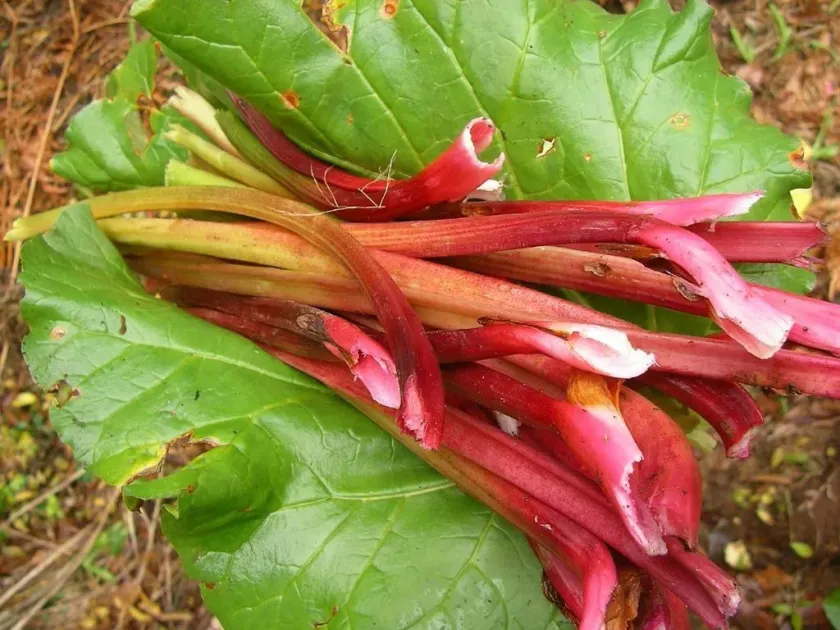
Description
Sowing dates
The planting of rhapontic rhubarb is typically performed in early spring or late autumn by dividing mature rootstocks, which is the most reliable method of propagation.
When starting from seeds, they should be sown in prepared nursery beds during the spring season to ensure they are robust enough for permanent transplantation.
Spacing is critical for this species, as individual plants can grow quite large; a distance of at least 90 centimeters between plants is recommended for optimal growth.
Seeds should be covered with a light layer of soil, not exceeding 3 centimeters, and kept moist to facilitate uniform germination and early establishment.
Proper bed preparation involving deep tilling and enrichment with well-rotted organic matter is essential before the initial sowing or planting takes place.
Growing requirements
Rhapontic rhubarb, scientifically known as Rheum rhaponticum, is a hardy perennial belonging to the Polygonaceae family, valued for its culinary uses.
The plant thrives in temperate climates and requires a period of cold dormancy during winter, which is essential for triggering vigorous spring growth.
Deep, fertile, and well-drained loamy soils are ideal for rhubarb, as the fleshy root systems are sensitive to waterlogging and poor soil aeration.
While the plant enjoys full sun, it can tolerate partial shade, provided it has consistent access to nutrients and sufficient water during the active growing season.
Regular maintenance, including mulching to retain soil moisture and control weeds, significantly contributes to the longevity and productivity of the rhubarb patch.
Main diseases and pests
Leaf spot diseases are among the most common threats to rhubarb, often caused by fungal pathogens that thrive in damp and poorly ventilated conditions.
Crown rot is a serious concern, frequently resulting from poor drainage or excessively deep planting, which can lead to the rapid decline of the entire plant.
Aphids and various species of weevils can cause physical damage to the leaves and stalks, sometimes serving as vectors for viral infections in the crop.
Managing threats involves adopting integrated pest management strategies, focusing on site sanitation and selecting disease-resistant cultivars for planting.
Regular inspection of the crop allows for early detection of potential outbreaks, enabling timely interventions before widespread damage occurs in the field.
Harvesting
Harvesting of rhapontic rhubarb should not commence until the plants are at least two years old to ensure that the root system has sufficient energy reserves.
Stalks are harvested by gripping them near the base and pulling them with a twisting motion, ensuring that the attachment point to the crown remains intact.
The harvest season typically ends by mid-summer, as the stalks can become woody and the concentration of oxalic acid increases, affecting culinary safety and quality.
Only about one-third of the total stalks should be harvested from any single plant at one time to prevent weakening the vigor of the plant for the following year.
Processed rhubarb stalks are widely used in commercial food production, particularly in the creation of jams, tarts, and various traditional desserts.