
Rhubarb
Rheum rhabarbarum L.
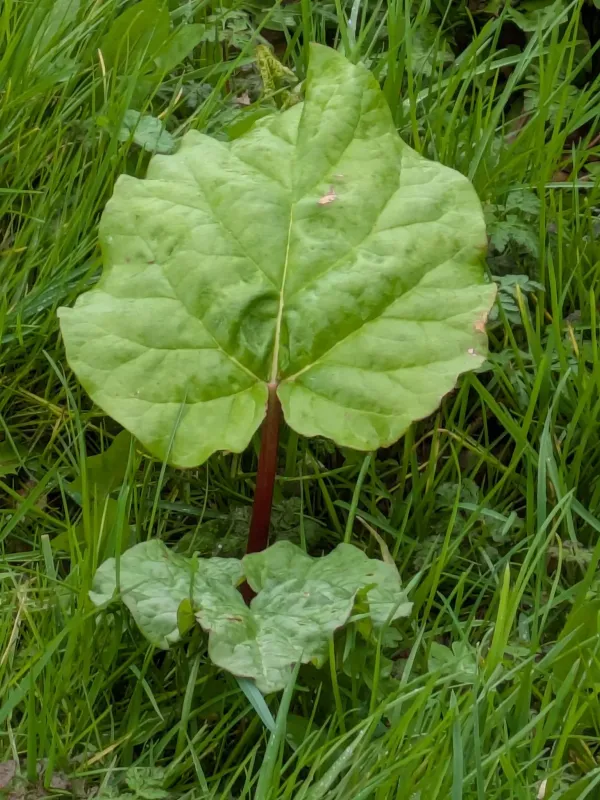
Description
Sowing dates
Rhubarb (Rheum rhabarbarum L.) is a herbaceous perennial plant belonging to the Polygonaceae family. It is widely cultivated for its fleshy, edible leaf stalks, which are commonly used in various culinary applications like pies, jams, and sauces.
Originating from Central Asia, rhubarb is well-adapted to temperate climates. It is one of the first perennial vegetables to emerge in early spring, making it a valuable addition to both home gardens and commercial agricultural production.
While rhubarb can be grown from seeds, vegetative propagation by dividing the rhizomes of mature plants is the preferred method for ensuring consistent quality. Division is typically performed on plants that are 4 to 5 years old.
When sowing seeds, it is best to do so in well-prepared soil during the spring or late autumn. Seedlings require careful attention and are usually transplanted to their permanent location in the second year of growth to ensure a strong start.
Proper spacing is essential for rhubarb development. Plants should be set 70 to 100 centimeters apart, as they grow into large, dense clumps that require significant sunlight and air circulation to thrive over many years.
Growing requirements
Rhubarb thrives in sunny locations with deep, fertile, and well-drained soil. It is particularly fond of organic matter, so incorporating large amounts of compost or well-rotted manure into the planting site is essential for long-term success.
The plant requires consistent moisture, especially during the spring growth flush. However, it cannot tolerate waterlogged soil, which can lead to crown rot, a common and destructive issue for this perennial crop.
Soil pH should be slightly acidic to neutral for optimal nutrient uptake. The plant is a heavy feeder, necessitating annual mulching and occasional organic fertilization to maintain vigor and prevent the soil from becoming depleted over time.
Temperature management is critical; rhubarb prefers cool temperatures, typically between 15 and 20 degrees Celsius. In extremely hot and dry conditions, stalks may become stringy, and the plant may enter a state of dormancy or stress.
Routine maintenance includes keeping the patch free of weeds and removing any emerging flower stalks promptly. Flowering diverts energy away from the development of high-quality leaf stalks, which are the main objective of cultivation.
Yield
Productivity is highly dependent on the age and vigor of the rhubarb crown. It is recommended to avoid harvesting during the first two years after planting to allow the plant to establish a robust root system and significant leaf canopy.
From the third year onwards, a healthy plant can yield significant amounts of stalks. On average, you can harvest between 2 to 5 kilograms per plant per season, provided the plant is well-watered and given proper fertilization.
High yields are sustained by keeping the plants in their prime health. Replacing or dividing crowns every 8 to 10 years prevents the plants from becoming overcrowded, which often leads to reduced stalk size and overall lower yields.
Management of the harvest intensity is key. Never harvest more than one-third of the total stalks at any given time, as the remaining leaves are necessary for the plant to produce the energy required for the next season's growth.
To maximize yields, ensure that the soil remains moist and nutrient-rich throughout the season. Adding a layer of organic mulch in the fall provides protection during the winter and acts as a slow-release fertilizer in the spring.
Main diseases and pests
Pests such as the rhubarb curculio can cause damage by boring into the stalks and crowns. Aphids and various leaf-eating caterpillars can also affect the overall health of the plant by reducing the leaf surface area available for photosynthesis.
Fungal diseases, including leaf spot and crown rot, are the most common threats to rhubarb. These issues are often exacerbated by poor soil drainage, overcrowding, and high humidity, which create favorable conditions for pathogens.
Preventative care is the best strategy. Ensuring adequate spacing between plants, maintaining good soil drainage, and removing old, dead leaf debris at the end of the season can significantly reduce the risk of infection.
Chemical control is rarely recommended for rhubarb because the stalks are intended for human consumption. Biological controls, such as beneficial insects or manual removal, are safer and more effective for small-scale plantings.
Vigilance is necessary; inspect the plants regularly for signs of yellowing or decay at the crown. If a plant shows signs of severe disease, it should be removed and destroyed to prevent the spread to adjacent healthy rhubarb clumps.
Harvesting
Harvesting is performed by grasping the base of the stalk and giving it a gentle, firm pull or twist. This method detaches the stalk cleanly from the crown without damaging the dormant buds necessary for future growth.
The harvest season generally extends from spring until mid-July. Harvesting should cease by late summer to allow the plant sufficient time to replenish its carbohydrate reserves in the roots before the onset of winter.
Only the stalks are edible; the leaves contain high levels of oxalic acid and are toxic if consumed in large quantities. Always trim the leaves off immediately after harvesting and dispose of them properly.
Post-harvest handling is simple: stalks should be washed and kept in a cool, dark environment. If not used immediately, they can be refrigerated for a short period or processed by freezing for long-term storage.
Consistent quality control during harvest is essential. Discard any stalks that are excessively thin, damaged, or showing signs of pest infestation to ensure that only the highest quality produce is kept for culinary use.