
Chinese rhubarb
Rheum palmatum L.
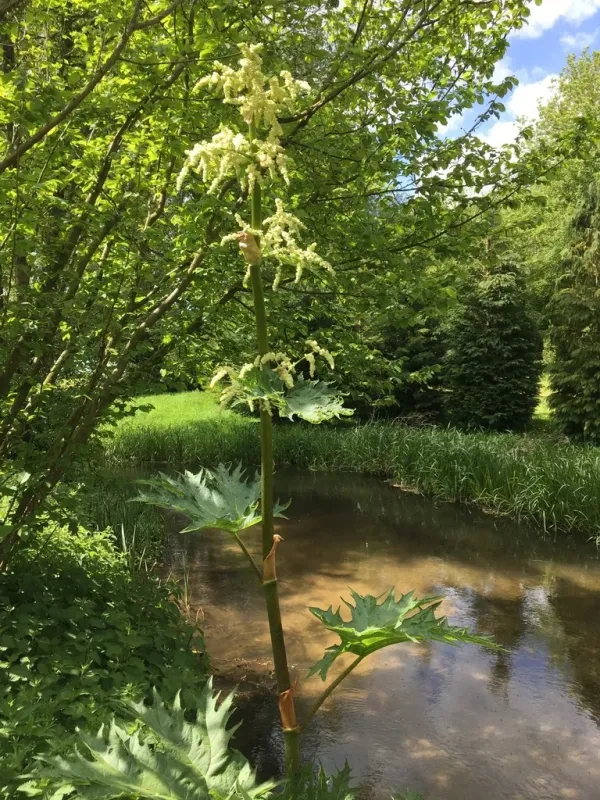
Description
Sowing dates
Sowing of Chinese rhubarb seeds is typically carried out in spring, once soil temperatures reach 10–12 degrees Celsius, or as a winter sowing in prepared furrows. When using seedlings, sowing occurs in March under cover, ensuring strong root development before transplanting into the field.
Direct field sowing requires a planting depth of 2–3 centimeters. Row spacing should be at least 70–80 centimeters apart, as the adult plant develops a large, spreading leaf rosette and needs significant space to thrive.
Propagation is also efficiently achieved through rhizome division, which allows for faster establishment. This method is preferred in autumn when the plant enters dormancy, ensuring high survival rates for the new divisions.
Preparation of the growing medium is crucial; the soil must be loose, well-structured, and rich in nutrients. Incorporating organic matter directly into the planting hole at the time of division significantly aids in the plant's adaptation to its new environment.
Post-transplantation, maintaining consistent moderate soil moisture is essential. Avoiding waterlogging is critical during the initial growing stages to prevent rot in young root systems.
Growing requirements
Chinese rhubarb (Rheum palmatum) is a member of the Polygonaceae family and is a powerful perennial herb characterized by its large, palmate-lobed leaves. Its natural habitat includes the mountainous regions of China, from where it spread as a valuable medicinal crop.
For successful cultivation, rhubarb requires fertile, deeply cultivated loamy soils with excellent drainage and a neutral pH. The plant performs poorly in acidic or waterlogged soils, making sites with low water tables ideal for its growth.
The crop is highly cold-hardy, allowing it to overwinter in temperate climates without additional protection. However, young shoots can be vulnerable to late spring frosts, necessitating some protection for the leaf rosette in colder regions.
Light exposure is vital; Chinese rhubarb thrives in full sun but tolerates partial shade during the hottest parts of the day. Excessive shade can lead to leggy flower stalks and a reduced concentration of bioactive compounds in the roots.
Agronomic maintenance includes regular weeding and soil loosening between rows to ensure oxygen access to the roots. Irrigation is primarily needed during prolonged droughts, as the massive rhizome can efficiently tap into deep soil moisture.
Yield
The yield of Chinese rhubarb is evaluated primarily by the volume of rhizomes harvested for pharmaceutical use. Commercial harvesting begins no earlier than the 4th or 5th year, when the roots have reached their peak concentration of anthraglycosides.
Average yields of dry roots per hectare are approximately 1.5 to 2.5 metric tons. This figure depends heavily on soil fertility, the application of nitrogen-phosphorus fertilizers, and the age of the plantation at the time of excavation.
With consistent plantation care and proper crop rotation, a single plant remains productive for 8–10 years. Beyond this period, rhizomes become excessively woody and less suitable for high-quality processing.
The rhizome of an adult plant can weigh several kilograms. The optimal time for harvesting maximum medicinal components is during the dormancy period when the aerial parts of the plant have fully dried.
To enhance the yield of quality raw material, flower stalks are removed in the first few years, which diverts essential nutrients toward the growth of the root system rather than the reproductive organs.
Main diseases and pests
Primary biological threats to Chinese rhubarb include fungal diseases such as Ascochyta blight and leaf spots. These typically flourish under conditions of high humidity and poor air circulation around the plants.
A common pest of the crop is the rhubarb curculio, which damages stems and young leaves. Control measures involve timely cleaning of the field, removal of crop residues, and deep autumn tillage to disrupt pest life cycles.
Root rot, triggered by stagnant water, remains the most dangerous physiological disorder. It leads to the rapid decline of the plant and requires immediate removal of the affected specimen along with soil disinfection.
During the early growth stages, seedlings can be damaged by wireworms or cutworms. Maintaining spatial isolation from vegetable crops that share similar pest profiles is a recommended preventive strategy.
- Implementing crop rotation to prevent soil pathogen accumulation.
- Performing regular phytosanitary inspections and weeding.
- Applying fungicides upon detection of early signs of leaf disease.
Harvesting
Harvesting of the rhizomes is conducted in the autumn following the end of the vegetative season, once the leaves have yellowed and withered. This timing ensures the highest concentration of active compounds in the underground portion of the plant.
Rhizomes are unearthed using garden forks or plows, taking care to minimize physical damage to the root tissues. Once harvested, the raw material is cleaned of soil, fine rootlets, and washed thoroughly in running water.
The roots are then sliced into pieces of 10–15 centimeters for uniform drying. Smaller or damaged sections are discarded as they do not meet pharmaceutical quality standards.
Drying is performed in specialized drying chambers at temperatures not exceeding 60 degrees Celsius or in well-ventilated, shaded areas. Improper drying leads to mold growth and the loss of therapeutic efficacy.
Properly dried material features a characteristic yellow-brown color on the fracture and a distinct bitter taste. Storing the final product requires dry, dark, and well-ventilated conditions in airtight containers.