
Perilla
Perilla frutescens (L.) Britton var. purpurascens (Hayata) H. W. Li
Description
Sowing dates
Perilla is an annual herbaceous plant belonging to the Lamiaceae family. It is a warm-season crop that requires soil temperatures above 15°C for germination, making late spring the ideal time for sowing seeds directly into the field.
Seed depth should be kept shallow, approximately 1–2 cm, as the seeds require some light for optimal germination. Row spacing should be maintained at 50–60 cm to allow for adequate branching and air circulation between individual plants.
Growing requirements
Perilla thrives in well-drained, fertile loamy soils with a pH level between 5.5 and 7.0. While it is adaptable to various soil types, it requires consistent moisture throughout the growing season and does not perform well in waterlogged conditions.
As a heat-loving plant, it requires full sun exposure to maximize the production of essential oils and pigments in the leaves. It is highly sensitive to frost, and even mild cold snaps can significantly stunt plant development or lead to total crop failure.
Effective weed management in the early stages of growth is essential for this crop. Mechanical cultivation between rows is recommended until the plants reach sufficient height to shade out competing weeds in the field.
Yield
Depending on local environmental conditions and the specific variety, perilla can yield between 15 to 30 tons of fresh biomass per hectare. Seed yields typically range from 800 to 1,200 kg per hectare in optimized agricultural settings.
Main diseases and pests
The crop is susceptible to fungal diseases such as powdery mildew, especially in regions with high humidity or poor air circulation. Implementing proper spacing and avoiding overhead irrigation can significantly reduce the risk of infection.
Common insect pests include spider mites and aphids, which are particularly problematic during hot and dry spells. Biological control methods and targeted horticultural oils are often used to manage these populations without damaging the delicate chemical balance of the leaves.
Harvesting
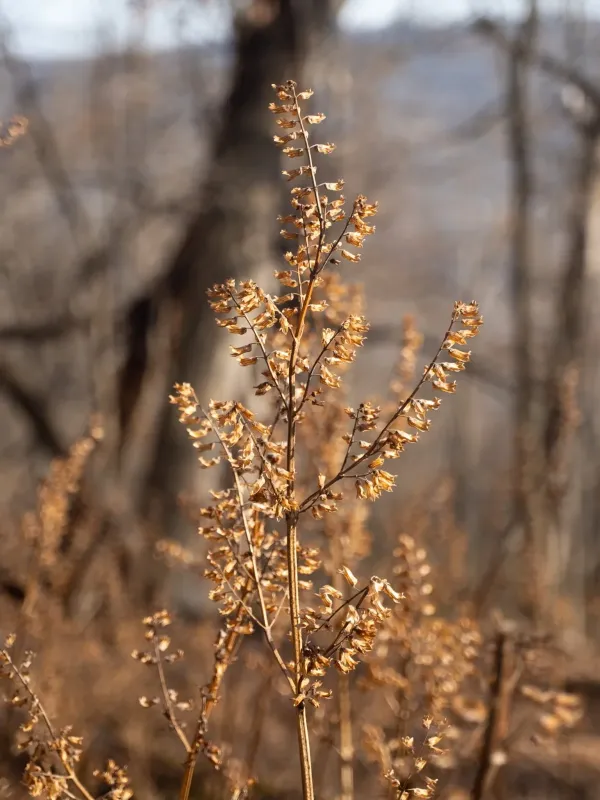
Harvesting for fresh leaves should be done before the plant reaches the full flowering stage. For seed production, the plants are usually cut when the seed pods turn brownish, followed by a drying process to ensure the seeds are mature and stable for storage.