
Perilla
Perilla frutescens (L.) Britton var. frutescens
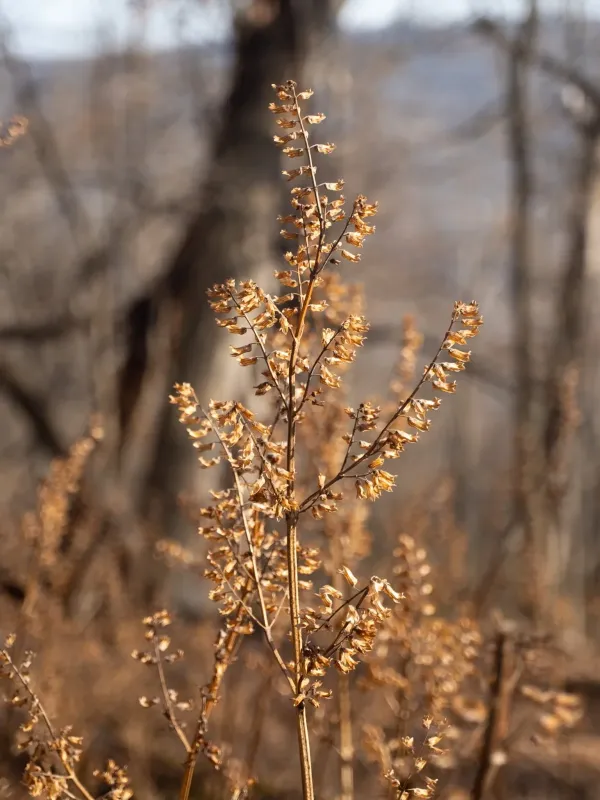
Description
Sowing dates
Perilla is a thermophilic crop that requires stable, warm temperatures to germinate and thrive. Sowing in open fields should only commence once the danger of spring frost has completely passed, typically when soil temperatures reach at least 15 degrees Celsius.
In regions with shorter growing seasons, starting plants indoors is highly recommended. Seeds should be sown in trays or greenhouse pots about 4 to 6 weeks before the anticipated planting date, ensuring they receive enough light to prevent leggy, weak seedlings.
Proper spacing is crucial for the development of the bushy structure of the plant. A recommended planting scheme involves rows spaced 50–60 centimeters apart, with individual plants placed 30 centimeters apart within the rows to allow for optimal airflow and light penetration.
Seeds are quite small and require shallow planting, ideally no more than 0.5 to 1 centimeter deep. A light covering of soil, followed by gentle irrigation to ensure soil-to-seed contact, is essential to promote uniform and healthy germination.
Weed management during the early growth stages is vital because young perilla plants grow relatively slowly at first. Regular cultivation between the rows helps suppress weed competition and encourages a faster initial growth rate by providing oxygen to the developing root system.
Growing requirements
Perilla is a short-day plant, which means it requires specific photoperiodic conditions to trigger flowering. It thrives in full sunlight, and any form of shade can negatively impact the overall biomass production and the development of essential oils within the leaves.
The ideal soil for perilla cultivation is well-drained, fertile loam with a slightly acidic to neutral pH level. The plant is sensitive to waterlogged conditions, which can lead to root rot; therefore, selecting fields with good drainage and proper slope is highly important.
Although the plant is somewhat drought-tolerant once established, it requires consistent moisture during its vegetative growth phase to maximize yield. During periods of low rainfall, supplemental irrigation is necessary to maintain high leaf quality and prevent premature bolting.
Soil structure should be maintained through regular loosening to prevent the formation of surface crusts. This allows for better water infiltration and root aeration, both of which are critical for the healthy physiological function of the crop throughout the season.
While perilla can grow in various soil types, it responds exceptionally well to organic fertilizers. Applying compost or balanced nitrogen-based fertilizers during the early vegetative phase can significantly boost growth, provided the nitrogen levels are not excessive.
Yield
The economic potential of perilla is largely based on its seeds, which contain 40–50 percent oil. This oil is highly valued for its high concentration of alpha-linolenic acid (omega-3), making it a sought-after commodity in both the health food and technical oil markets.
The yield of fresh foliage varies depending on the variety and management practices, generally ranging from 15 to 30 tons per hectare. Beyond its culinary uses, the plant is harvested for its biomass which serves as a source of extracts for the cosmetic and pharmaceutical industries.
Seed yields generally range from 800 to 1,500 kilograms per hectare under optimal conditions. High-yielding varieties combined with proper nutrition management allow farmers to maximize their output and remain competitive in the specialty crop sector.
Maximizing yield requires close attention to planting density and uniform stand establishment. By reducing gaps in the field, growers ensure that resources such as light, water, and nutrients are utilized efficiently, leading to higher overall production per hectare.
Post-harvest processing efficiency also plays a major role in the final yield of high-quality oil. Proper drying and cleaning techniques ensure that the seeds are free from impurities and debris, which preserves the quality and market value of the harvested material.
Main diseases and pests
Perilla is generally robust, but it can be susceptible to powdery mildew under conditions of high humidity and poor air circulation. Implementing proper spacing and avoiding overhead irrigation can significantly reduce the risk of fungal infections in the crop.
Common insect pests include aphids and spider mites, which can cause significant damage by feeding on plant sap. These pests not only reduce plant vigor but can also transmit viral pathogens, making consistent field monitoring an essential part of an integrated pest management strategy.
Control of pests should prioritize the use of environmentally friendly biological agents where possible. If chemical interventions become necessary, choosing narrow-spectrum insecticides with short pre-harvest intervals ensures that the final product remains safe for consumption.
Effective disease and pest control starts with robust cultural practices, such as rigorous crop rotation. Avoiding planting perilla in the same field for consecutive years breaks the life cycles of soil-borne pathogens and insect larvae, leading to healthier fields.
Sanitation after the harvest is critical; removing and destroying crop residues prevents the overwintering of spores and insects. A clean field environment minimizes the risk of infection in subsequent seasons and reduces the need for heavy chemical intervention.
Harvesting
Harvesting foliage for culinary use should occur before the plant begins to bloom, as the leaves are most tender and flavorful during the early vegetative stage. For essential oil production, it is best to harvest during the peak of flowering.
The seed harvest begins once the seed heads turn brown and the seeds reach maturity. Timing is critical, as seeds can easily shatter and drop if left too long in the field. Harvesting when the majority of seeds are mature but before widespread shattering is the key to success.
Mechanical harvesting with modified combines is standard for large-scale operations. It is essential to calibrate the machine's speed and airflow to avoid cracking the seeds or losing them through the exhaust during the threshing process.
Once harvested, the seed must be dried immediately to a moisture content of roughly 9–10 percent. Improperly dried seeds are prone to mold growth and oxidation, which can quickly degrade the quality of the oil and reduce the seed's viability for future planting.
Storage should take place in cool, dark, and well-ventilated facilities. Using moisture-proof storage containers helps maintain the stability of the omega-3 fatty acids, ensuring the product retains its nutritional value throughout the storage period.