
Perilla
Perilla frutescens (L.) Britton
Description
Sowing dates
Perilla is a warm-season crop that requires soil temperatures above 15°C for optimal germination and early development of seedlings.
In regions with shorter growing seasons, starting seeds in greenhouses or containers about 4–6 weeks before the last frost date is standard practice.
Seeds should be sown shallowly, as they need a bit of light to germinate effectively, usually covered by no more than a thin layer of fine soil.
Row spacing should be maintained at approximately 50–60 cm to allow for the significant lateral spread of the mature plant canopy.
Maintaining consistent soil moisture during the first few weeks is crucial to ensure a uniform stand and prevent the development of stunted seedlings.
Growing requirements
As a member of the Lamiaceae family, Perilla frutescens thrives in fertile, well-draining soils with a pH level between 5.5 and 7.0.
The plant requires full sun exposure to maximize the production of aromatic oils and to maintain the characteristic coloration of the foliage.
Agricultural management includes routine cultivation between rows to prevent soil crusting and to compete effectively with invading weeds.
While the plant is somewhat drought-tolerant, supplemental irrigation during dry periods is necessary to ensure high biomass production and quality.
Soil should be enriched with compost or well-rotted manure before planting to provide sufficient nitrogen and phosphorus for vegetative growth.
Yield
Perilla is primarily cultivated for its seeds, which are rich in alpha-linolenic acid, making them highly valuable for industrial and food applications.
The foliage is extensively harvested for the culinary industry, serving as a garnish, herb, or key ingredient in various Asian cuisines.
Yields of seed vary depending on the cultivar and the growing environment, often reaching 1 to 2 metric tons per hectare under optimal conditions.
Green biomass yield for industrial extraction or forage purposes can be quite substantial, often exceeding 20 tons per hectare in dense plantings.
Advanced agricultural practices, such as precision fertilization and pest management, can significantly enhance overall output and crop quality.
Main diseases and pests
The crop is susceptible to fungal diseases such as powdery mildew, especially in areas with high humidity and poor airflow around the plants.
Aphids and spider mites are common pests that may infest the crop during hot, dry spells, necessitating proactive scouting and monitoring.
Implementing a diverse crop rotation cycle helps mitigate the buildup of soil-borne pathogens and pests that specifically target the Lamiaceae family.
Weed control is critical during the initial growth stages because the crop grows slowly until the established plants shade the ground surface.
Integrated pest management strategies focusing on beneficial insects are highly recommended to keep pest populations below economic threshold levels.
Harvesting
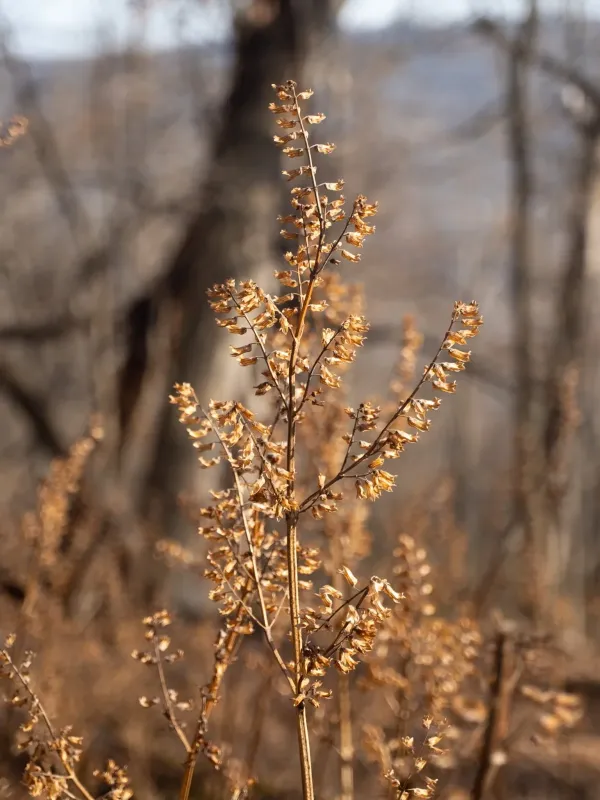
For seed production, harvesting begins when the lower seed clusters on the stalks turn brown and dry, signaling maturity of the grain.
Leaf harvesting can be continuous throughout the growing season, picking the outer, more mature leaves to encourage further growth from the center.
Care must be taken during mechanical harvesting of seeds to minimize shattering, as the seeds detach easily when fully dried in the field.
Harvested biomass must be dried immediately in a clean, ventilated area to prevent molding and degradation of the volatile oils.
Post-harvest storage of seeds requires moisture control to keep levels below 10%, ensuring long-term shelf stability for oil extraction.